Best Things to Do in Los Haitises National Park: 10 Nature Experiences to Explore
Los Haitises National Park is one of the Dominican Republic’s most fascinating destinations for travelers who enjoy nature, wildlife, coastal landscapes and outdoor exploration. Located near Samaná Bay and Sabana de la Mar, this protected area is known for its unusual limestone formations, mangrove forests, caves and diverse birdlife.
A visit is not simply about taking a boat ride. The park offers several ways to experience its natural and cultural character, from exploring narrow waterways to observing birds, discovering karst landscapes and learning about the region’s Indigenous heritage.
If you are deciding what to do in Los Haitises National Park, these ten experiences will help you understand what makes the destination special and which activities may suit your interests.
1. Explore the Park by Boat
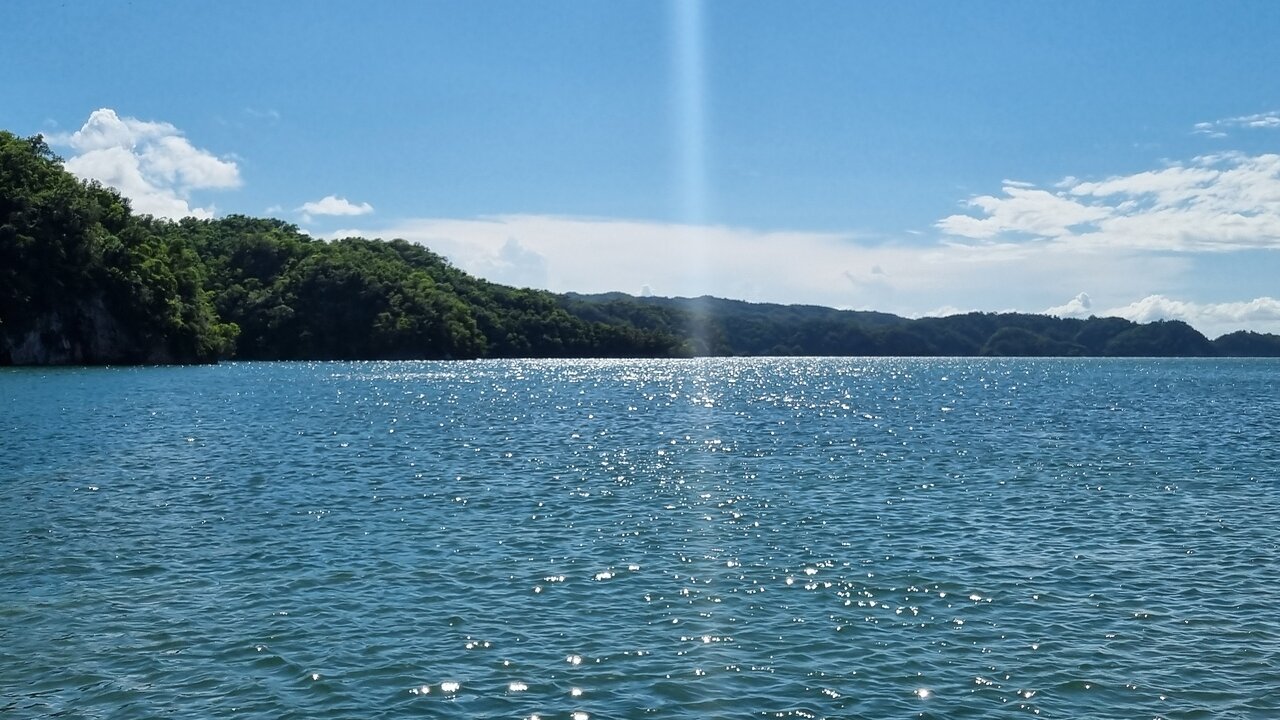
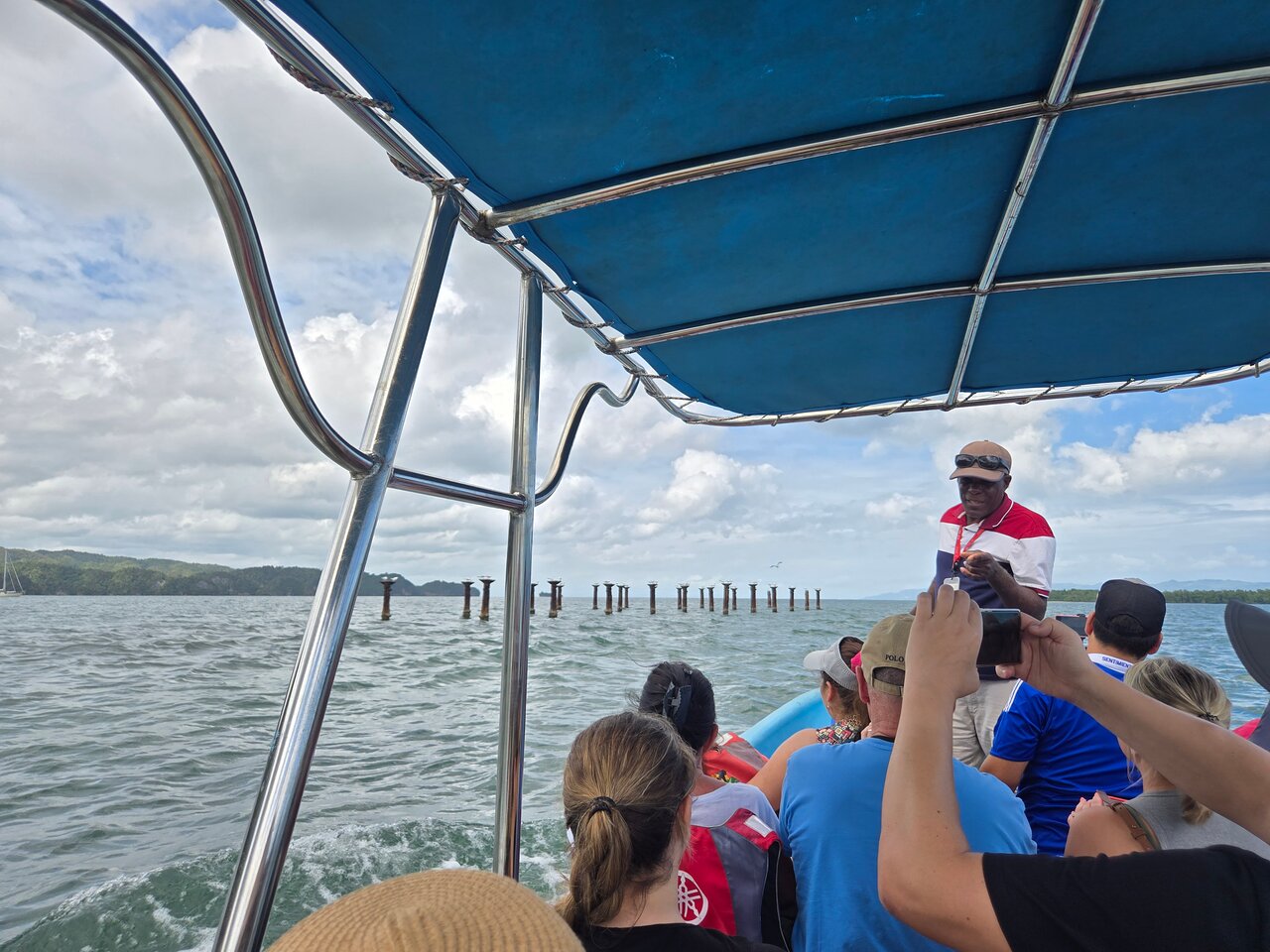
A boat excursion is one of the most recognizable ways to experience Los Haitises. The park's waterways allow visitors to appreciate coastal scenery, limestone formations, mangrove habitats and small islands from the water.
As the boat moves through the landscape, you can observe how the forest meets the sea and how the park's different habitats connect. The views change along the route, making the journey itself an important part of the experience.
Boat itineraries vary according to departure point, weather, water conditions and the areas authorized for visitors. Before booking, ask which locations are included rather than assuming every excursion follows the same route.
Best for: First-time visitors, couples, families and travelers who want an overview of the park's coastal environment.
2. Discover the Mangrove Channels
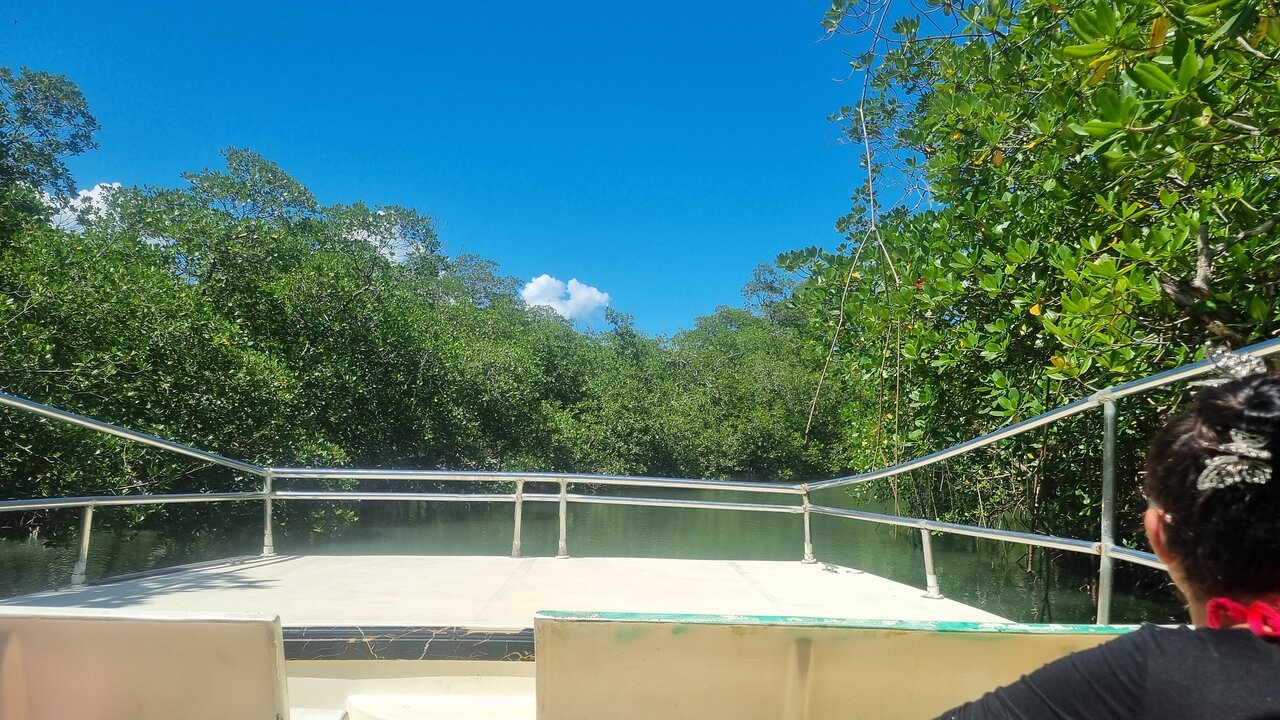
Mangrove forests are among the defining features of Los Haitises. These coastal trees grow in environments influenced by saltwater and tides, creating important habitats for fish, birds and other wildlife.
Traveling through a mangrove channel offers a closer look at this ecosystem. The branches and roots create a distinctive natural corridor, and the changing light gives the waterways a peaceful atmosphere.
A guided visit can also help explain why mangroves matter. They provide shelter for wildlife, support coastal food webs and help protect shorelines from erosion.
Visitors should avoid disturbing roots, collecting plants or leaving rubbish behind. These forests are living ecosystems, not simply scenic backgrounds for photographs.
Best for: Nature enthusiasts, photographers and travelers interested in coastal ecology.
3. Observe the Park's Limestone Formations
Los Haitises is recognized for its karst landscape. Over long periods, water has shaped limestone into distinctive landforms, including steep-sided rocky hills known as mogotes.
These formations rise above the surrounding vegetation and waterways, creating one of the park's most memorable views. From a boat, visitors can appreciate their scale and the contrast between pale rock, green forest and blue water.
The landscape is especially interesting for travelers who enjoy geology and natural scenery. A guide may explain how limestone landscapes develop and why the region looks different from many other parts of the Dominican Republic.
Take time to look beyond the largest formations. Smaller details in the rock, vegetation and shoreline help reveal how varied the environment is.
Best for: Landscape photographers, geology enthusiasts and visitors who enjoy scenic boat journeys.
4. Visit Caves and Learn About Taíno Heritage
The caves of Los Haitises are important for both their natural features and cultural history. Some caves in the park are associated with Indigenous Taíno art, including pictographs and petroglyphs.
A cave visit can provide a different perspective on the destination. Instead of viewing the park only as a landscape of forests and waterways, visitors can learn about its human history and the cultural significance of the region.
Cave access depends on current park rules, infrastructure and safety conditions. Do not assume that every cave is open on the day of your excursion. In particular, the Dominican Republic's Ministry of Environment announced a temporary closure of Cueva de la Línea on June 23, 2026, because of deterioration to its access pier. Check the latest official notice before planning around this cave.
When visiting an accessible cave, follow the guide's instructions. Never touch, scratch or mark rock art, and do not remove stones or other objects.
Best for: History lovers, cultural travelers and visitors interested in archaeology.
5. Go Birdwatching
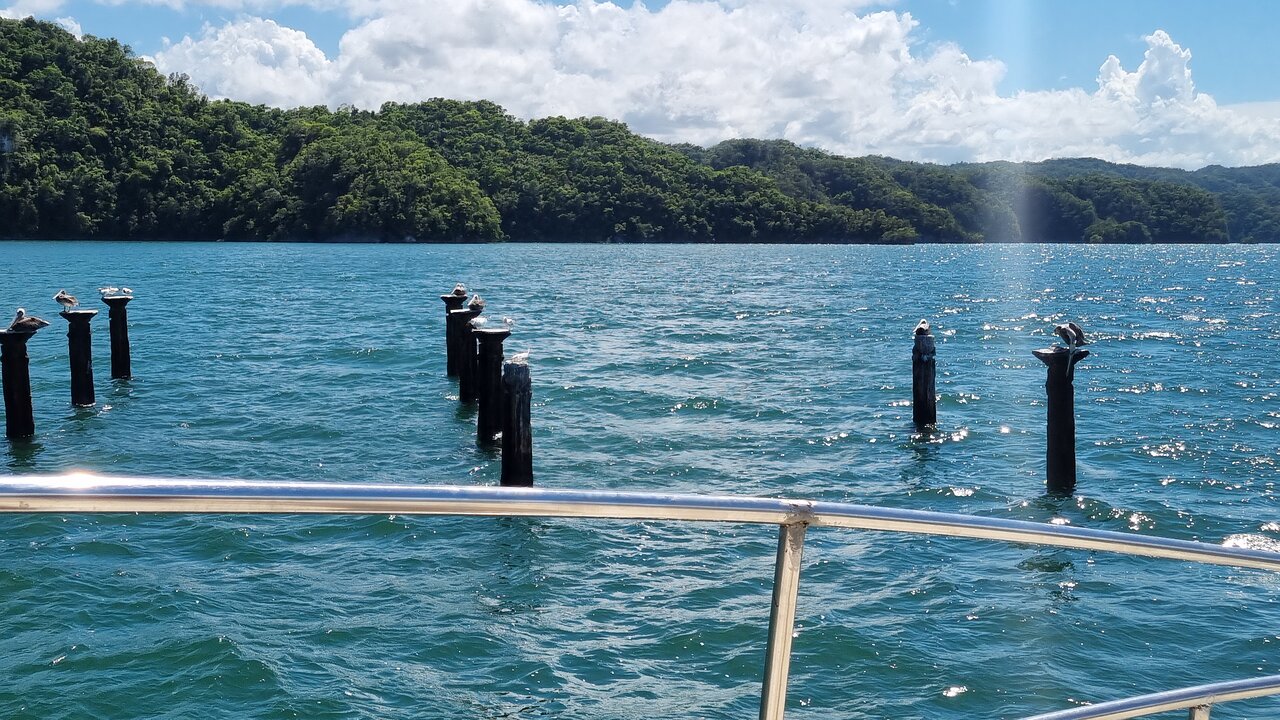
Los Haitises is known for its diversity of birdlife. Its combination of mangroves, forests, coastal habitats and small islands supports different bird species.
Birdwatching can be enjoyed during a boat trip or from suitable observation points, depending on the itinerary. Look carefully around the water, vegetation and rocky areas. Birds may be visible in flight, resting near the shore or moving through the forest.
The official Dominican Republic tourism information highlights species such as pelicans, herons, egrets and woodpeckers, while the park's protected habitats support a wider variety of birdlife.
For a better experience, bring binoculars if you have them and avoid loud noises. Wildlife sightings are never guaranteed, so patience is part of the activity.
Best for: Birdwatchers, wildlife photographers and nature-focused travelers.
6. Experience the Mangroves by Kayak
Where permitted and available, kayaking offers a quieter way to explore the park's waterways. Unlike a larger motorboat, a kayak allows visitors to move at a slower pace and pay closer attention to the surrounding environment.
Paddling through a mangrove channel can make it easier to notice details such as exposed roots, small movements in the water and birds resting in the vegetation.
This activity requires basic awareness of water conditions and the ability to follow safety instructions. Routes and availability depend on local operators and park permissions, so confirm whether kayaking is part of your chosen excursion.
Do not paddle into restricted areas or approach wildlife too closely.
Best for: Active travelers, small groups and visitors who prefer a slower nature experience.
7. Enjoy a Guided Nature Walk
A guided walk can reveal parts of Los Haitises that are difficult to appreciate from a boat. Depending on the approved route, visitors may have opportunities to observe forest vegetation, natural textures and the park's humid tropical environment.
Walking with a knowledgeable guide can make the experience more educational. You may learn about plant life, habitat relationships and the importance of protecting the forest.
Not every boat excursion includes a hiking section. If walking is important to you, confirm the route, terrain, duration and difficulty before booking. Wear suitable footwear and remain on designated paths.
Best for: Hikers, outdoor enthusiasts and travelers who want to learn about the forest ecosystem.
8. Photograph the Park's Natural Landscapes
Los Haitises offers a variety of photographic subjects. You can capture limestone formations rising from the water, reflections along mangrove channels, forest textures, cave entrances and birds in their natural habitats.
A boat trip provides changing viewpoints, while a guided walk may offer closer details of the vegetation. Early or late light can create attractive conditions, although the best timing depends on the excursion schedule and weather.
A few practical photography tips:
- Carry a camera or phone with a secure strap.
- Protect electronic equipment from water and humidity.
- Use binoculars or a suitable zoom lens for distant birds.
- Avoid using flash around wildlife or inside sensitive cultural sites unless explicitly permitted.
- Never step into restricted areas to get a better photograph.
The goal is to document the environment without disturbing it.
Best for: Travel photographers, bird photographers and visitors who enjoy documenting natural scenery.
9. Learn About the Park's Conservation Importance
A visit to Los Haitises is also an opportunity to understand why protected areas matter. Its mangroves, forests, caves, waterways and wildlife form interconnected natural systems.
Mangroves provide habitat and nursery areas for aquatic species. Forests support biodiversity, while caves and rock formations preserve important natural and cultural features.
Responsible tourism helps reduce pressure on these environments. Visitors can contribute by following designated routes, listening to park instructions, keeping noise low and taking all rubbish away with them.
Choose excursions that respect park regulations and do not promise activities that involve disturbing wildlife or damaging natural features.
Best for: Eco-conscious travelers, students and families who want an educational outdoor experience.
10. Combine Your Park Visit With Time in the Sabana de la Mar Area
Sabana de la Mar is an important point of reference for exploring the Los Haitises region. Spending additional time in the area can help visitors appreciate the local setting beyond the national park itself.
Depending on your travel arrangements, you may be able to combine a park excursion with a meal, a visit to nearby natural attractions or an overnight stay in the surrounding region.
One option travelers may research is the Caño Hondo area, which is associated with the wider Los Haitises landscape. Confirm current access, services and transport arrangements directly before making plans.
Allow enough time for your park excursion rather than trying to fit too many activities into a rushed day. The best experience often comes from enjoying the natural environment at a comfortable pace.
Best for: Slow travelers, couples, families and visitors who want to explore more of the Sabana de la Mar region.
Which Los Haitises Activities Should You Choose?
The best activity depends on what you want from your visit.
Your interestExperiences to considerFirst visit to the parkBoat exploration and limestone sceneryNature and ecologyMangrove channels and conservation learningWildlifeBirdwatching and quiet observationHistory and cultureAccessible caves and Taíno heritageOutdoor adventureKayaking and guided nature walksPhotographyBoat landscapes, mangroves and birdlifeRelaxed travelA boat excursion with time to enjoy the scenery
You do not need to complete all ten experiences in one day. Many visitors will enjoy a combination of activities included in a single approved itinerary.
How to Choose the Right Los Haitises Excursion
Before choosing a tour, compare the actual itinerary rather than relying only on the tour title or promotional photographs.
Ask the operator:
- Where does the excursion depart?
- Which areas of the park are included?
- Is the tour mainly by boat, or does it include kayaking or walking?
- Are cave visits included, and which caves are currently accessible?
- How long does the excursion last?
- What equipment, meals or transportation are included?
- What happens if weather or park restrictions affect the route?
These questions help you understand what you are paying for and avoid expecting activities that are not part of the confirmed itinerary.
What to Bring for Outdoor Activities
Pack for a day around water and tropical vegetation.
Useful items include:
- Lightweight, comfortable clothing
- Comfortable shoes suitable for the confirmed activities
- Sun protection, including a hat and sunscreen
- Drinking water in a reusable bottle
- A waterproof bag for electronics
- Binoculars for birdwatching
- A camera or phone with a secure strap
- Any personal medication you may need
Follow the operator's advice about footwear and equipment, especially if your itinerary includes kayaking or walking.
Responsible Tourism in Los Haitises
Los Haitises is a protected natural area, so visitors should treat the environment with care.
Keep these principles in mind:
- Take all rubbish with you.
- Do not feed or chase wildlife.
- Keep a respectful distance from birds and other animals.
- Do not touch cave art or remove natural objects.
- Stay on authorized routes and follow guide instructions.
- Avoid unnecessary noise in wildlife habitats.
- Respect temporary closures and restricted areas.
Responsible behavior helps protect the park's natural and cultural value for future visitors.
Frequently Asked Questions
What are the best things to do in Los Haitises National Park?
Popular experiences include boat trips, exploring mangrove channels, observing limestone formations, birdwatching and visiting accessible caves with cultural heritage. Kayaking and guided nature walks may also be available on approved itineraries.
Is a boat tour the best way to see Los Haitises?
A boat tour is one of the main ways visitors experience the park's waterways, mangroves and coastal scenery. It is a good starting point for first-time visitors, although the best itinerary depends on your interests.
Can you kayak in Los Haitises National Park?
Kayaking may be available on selected excursions and approved routes. Confirm availability, safety arrangements and the exact route with the operator before booking.
Can visitors explore caves in Los Haitises?
Some caves are visitor attractions, but access depends on current safety conditions and park rules. Cueva de la Línea was temporarily closed in June 2026 because of problems with its access pier. Check current official information before expecting to visit it.
Is Los Haitises good for birdwatching?
Yes. The park's varied habitats support diverse birdlife. Visitors may observe birds during boat excursions or from suitable observation areas, but sightings depend on natural conditions.
Can families visit Los Haitises?
Families can enjoy the park's scenery and wildlife, but the suitability of a particular excursion depends on children's ages, trip duration, boat conditions and included activities. Ask the operator about safety equipment and age requirements.
How many activities can I do in one day?
That depends on the route and duration of the excursion. A boat-focused trip may include several scenic and nature stops, while kayaking, walking or cave visits require additional time and may not all be available together.
Is Los Haitises suitable for photographers?
Yes. The park offers opportunities to photograph limestone formations, mangroves, birds, forest scenery and waterways. Protect your equipment from water and follow all wildlife and site-protection rules.
Plan a Nature-Focused Visit to Los Haitises
Los Haitises National Park offers more than one kind of travel experience. Its waterways, mangrove forests, limestone formations, birdlife and cultural heritage make it a rewarding destination for visitors who want to explore the natural side of the Dominican Republic.
Whether you prefer a scenic boat journey, birdwatching, kayaking, photography or learning about Taíno heritage, choose an excursion that matches your interests and respects current park conditions.
If you are planning a visit from Sabana de la Mar or another destination in the Dominican Republic, compare the confirmed itinerary, departure arrangements and included activities before booking. A well-planned, responsible visit will help you appreciate the park while supporting the protection of this remarkable environment.
Local explorer & expert guide in Birdwatching Guide.