Cayo de los Pájaros in Los Haitises National Park: Birdlife, Mangrove Scenery and Responsible Visiting
Among the many natural features of Los Haitises National Park, Cayo de los Pájaros stands out for its association with birdlife. This small rocky cay, also known as Isla de los Pájaros or Bird Island, is one of the recognizable sights on boat excursions through the park.
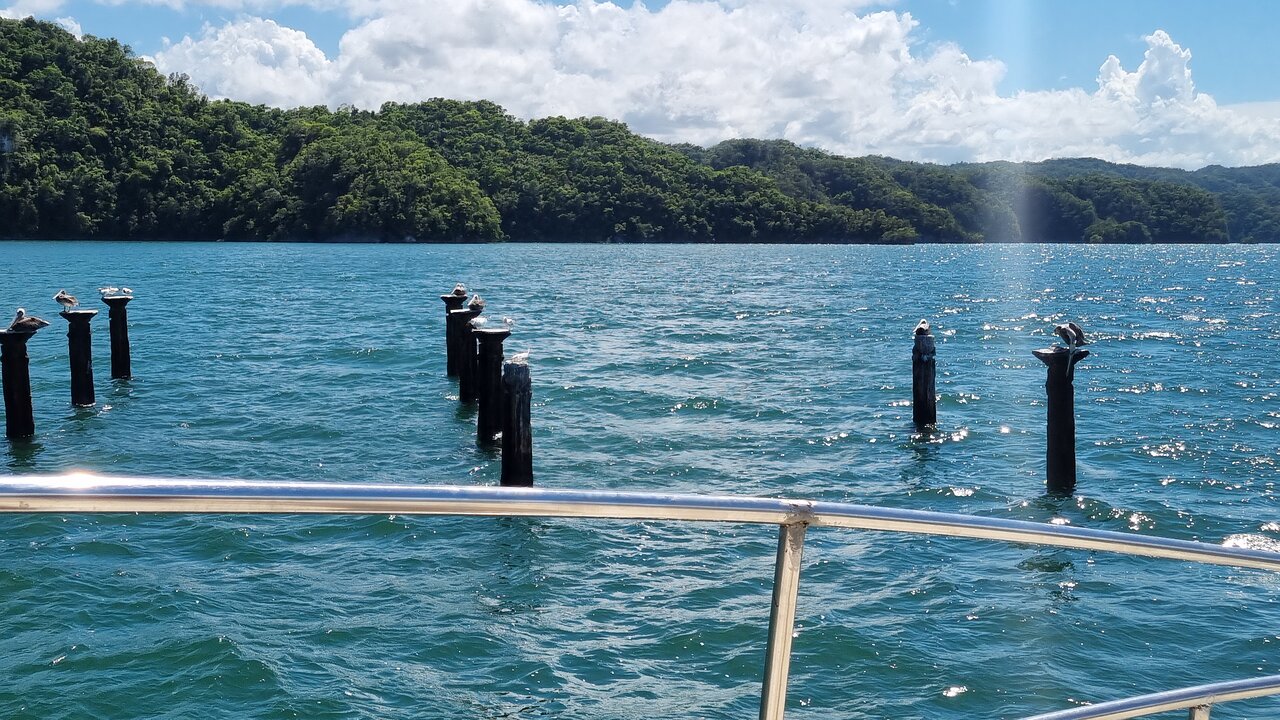
Located within the park's coastal landscape, the cay is surrounded by the waters and natural scenery that make Los Haitises distinctive. Visitors may see birds such as magnificent frigatebirds and brown pelicans around the island, while the wider setting includes mangroves, limestone formations and other small cays.
For travelers interested in nature, photography and birdwatching, Cayo de los Pájaros offers a memorable opportunity to observe coastal wildlife in its natural environment.
This guide explains what makes the cay interesting, which birds you may encounter, how to experience it during a park excursion and how to help protect its wildlife.
1. What Is Cayo de los Pájaros?
Cayo de los Pájaros is a small island or rocky cay within Los Haitises National Park. Its name translates into English as Bird Cay or Bird Island.
The Dominican Republic's official tourism information identifies it as an attraction on boat excursions through Los Haitises. The island is particularly associated with the observation of frigatebirds and pelicans.
Unlike a developed visitor attraction, Cayo de los Pájaros is valued primarily for its natural character. Its appeal comes from the birds, vegetation, surrounding water and the wider landscape of the national park.
The cay is part of a coastal environment where rocky formations, mangroves and sheltered waters create different habitats for wildlife.
Visitors generally experience it from the water during a guided boat excursion rather than treating it as a conventional island beach destination.
2. Where Is Cayo de los Pájaros Located?
Cayo de los Pájaros is situated within Los Haitises National Park, in the coastal landscape associated with San Lorenzo Bay.
The park is located in the northeastern Dominican Republic and is known for its limestone formations, mangrove forests, caves, islands and tropical forest.
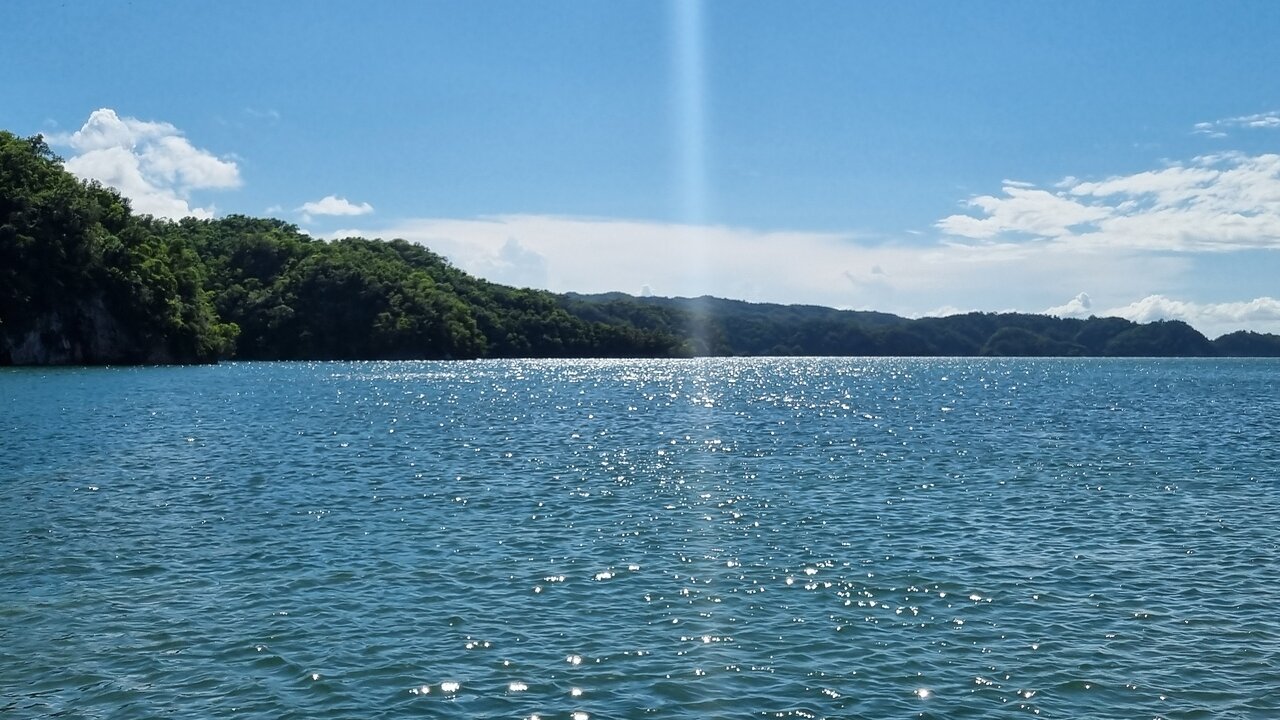
A boat journey through the park can reveal a changing landscape of small rocky islands, forest-covered hills and sheltered waterways.
Cayo de los Pájaros is one of the natural features highlighted by the Dominican Republic's official tourism authority.
When planning a visit, confirm whether the cay is included in your chosen excursion. Not every advertised Los Haitises itinerary necessarily follows the same route.
3. Why Is Cayo de los Pájaros Famous?
The cay is known for its birdlife.
Its name reflects the importance of birds to the identity of this small natural landmark. Visitors on suitable boat routes may see birds resting on the rocky island, flying above the water or moving between nearby habitats.
Two particularly recognizable birds associated with the cay are:
- Magnificent frigatebirds.
- Brown pelicans.
These species have different shapes and flying styles, making the area interesting for casual visitors and birdwatchers alike.
The surrounding coastal landscape also adds to the experience. The combination of water, vegetation and limestone formations creates a distinctive setting for observing wildlife.
However, bird numbers and activity vary. A visit does not guarantee that every species will be visible at close range.
4. Magnificent Frigatebirds Around Cayo de los Pájaros
Magnificent frigatebirds are among the most recognizable seabirds of the Caribbean.
They have long, narrow wings, deeply forked tails and a distinctive silhouette when flying above coastal waters.
Their flight is particularly impressive. Frigatebirds can remain airborne for long periods, using air currents to glide with relatively little visible effort.
How to recognize a frigatebird
Look for:
- Very long, narrow wings.
- A deeply forked tail.
- A slender body.
- A hooked bill.
- Graceful soaring flight.
Adult males have a distinctive red throat pouch, which becomes especially noticeable during courtship displays.
Females have different plumage characteristics, including a lighter breast area.
Why do frigatebirds gather around coastal islands?
Frigatebirds use coastal environments for resting, nesting and searching for food.
They are also known for obtaining food by taking prey from other seabirds, a behavior called kleptoparasitism.
When observing them around Cayo de los Pájaros, look toward the sky as well as the rocky island itself. Their flight patterns may be easier to notice than individual birds resting among the vegetation.
5. Brown Pelicans at Bird Island
Brown pelicans are another species associated with the coastal environment of Los Haitises.
They are large seabirds with long bills and expandable throat pouches. Their characteristic feeding behavior makes them particularly interesting to watch.
How to recognize a brown pelican
Look for:
- A large body.
- A long bill.
- A large throat pouch.
- Broad wings.
- A low flight over coastal water.
Brown pelicans often fly close to the surface of the sea or bay. They may also plunge toward the water when hunting fish.
Why are pelicans important to the cay?
Pelicans are part of the wider coastal bird community. Small islands and suitable coastal habitats can provide places for birds to rest or gather.
Historical ornithological records have documented brown pelican breeding at Cayos de los Pájaros in Bahía de San Lorenzo. This is useful historical evidence, but it should not be interpreted as confirmation of an active nesting colony today.
Visitors should observe the birds without approaching or disturbing potential nesting areas.
6. The Surrounding Landscape: More Than a Bird Island
Cayo de los Pájaros is interesting not only because of its birds but also because of its location within the wider Los Haitises landscape.
The surrounding environment includes several characteristic features.
Limestone formations
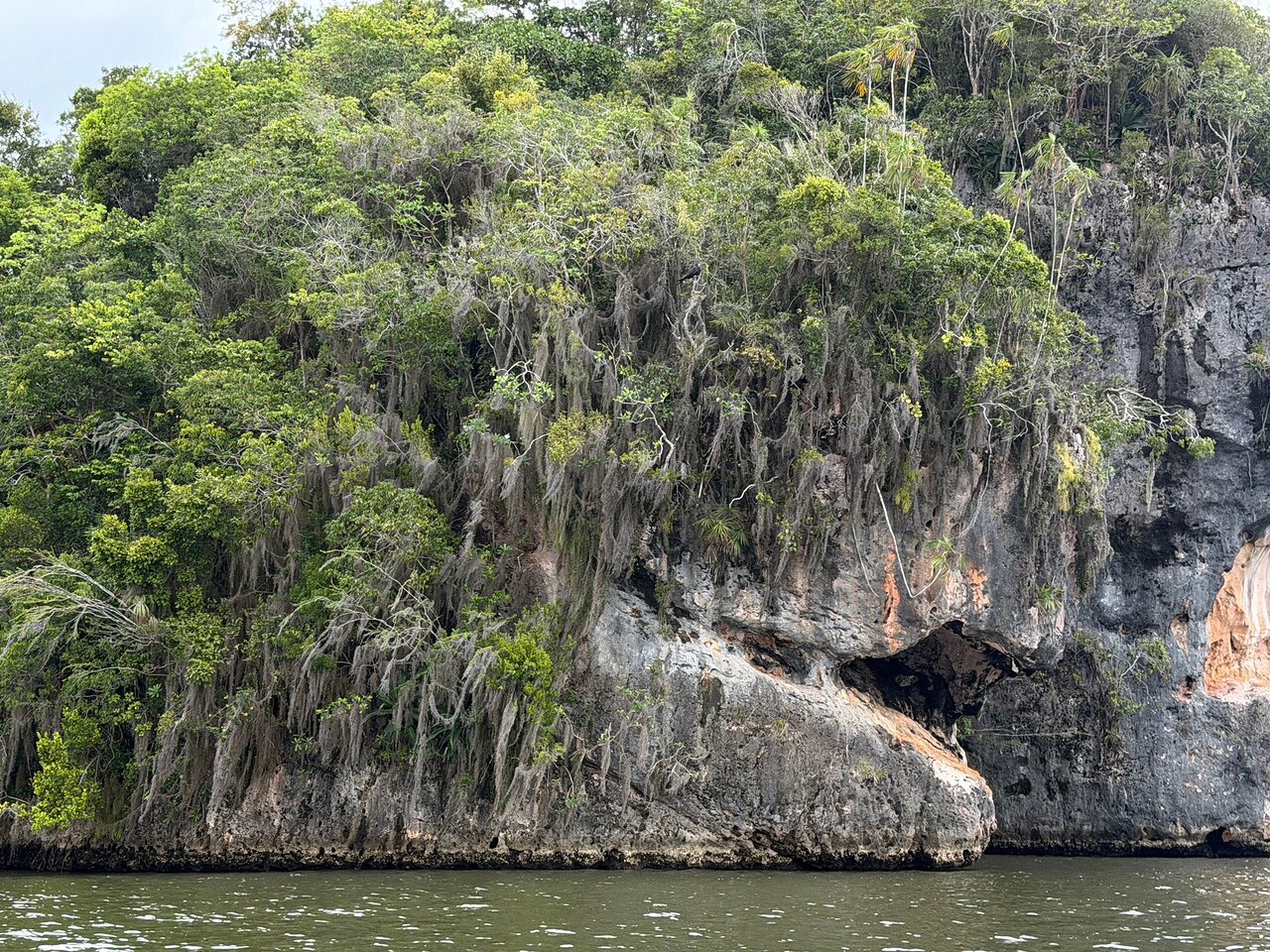
Los Haitises is famous for its karst landscape, where limestone has been shaped over long periods by water and natural erosion.
The resulting formations create a distinctive coastal panorama.
Mangrove forests
Mangroves form an important part of the park's coastal ecosystem.
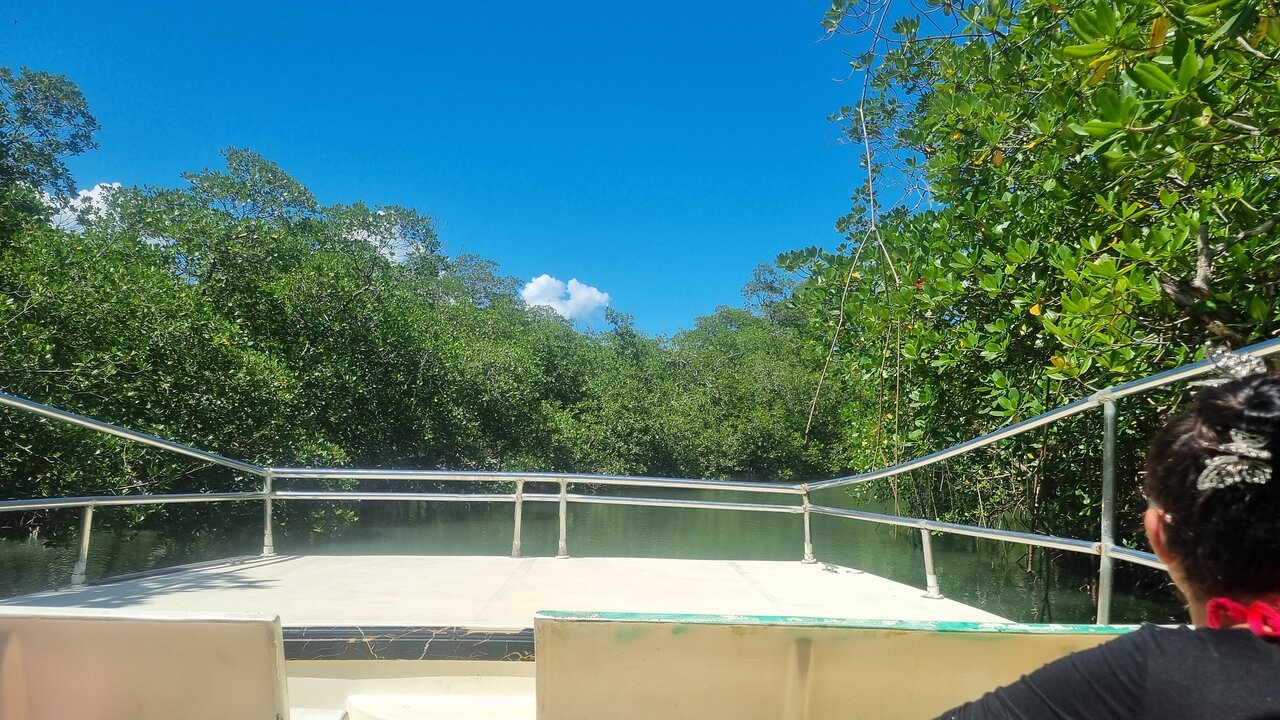
Their roots, branches and sheltered waterways provide habitat for many organisms and contribute to the ecological connection between land and sea.
Sheltered coastal waters
The waters around the park's cays and mangrove areas form part of a varied coastal environment.
Different habitats support different types of wildlife, and birds may move between them depending on their feeding and resting needs.
Together, these features make a boat journey through the park more than a visit to one island. It is an opportunity to experience a connected natural landscape.
7. How to Visit Cayo de los Pájaros
The most practical way to experience Cayo de los Pájaros is generally through a boat excursion that includes the cay in its route.
Before choosing a tour, read the itinerary carefully.
Confirm the following details:
- Does the route pass Cayo de los Pájaros?
- Is the island viewed from the boat?
- Is the excursion guided?
- How much time is allocated for bird observation?
- Are other park attractions included?
- Where does the excursion depart?
- Are applicable park fees included?
Do not assume that every Los Haitises boat tour visits the same locations.
The cay should be treated as a wildlife-observation location, not as a guaranteed landing or swimming stop. Follow the operator's instructions and any restrictions established by park authorities.
8. What Can You Expect During a Boat Visit?
A visit to Cayo de los Pájaros is usually one part of a wider boat journey through Los Haitises.
The experience may include several stages.
Traveling through the coastal landscape
As the boat moves through the park, visitors can observe the changing scenery of water, mangroves, rocky formations and forest-covered land.
Approaching the cay
When the route passes the island, pay attention to its vegetation and rocky surfaces.
Birds may be resting on the cay or flying overhead.
Observing the birds
Look for frigatebirds and pelicans. Binoculars can help you observe details without needing the boat to approach too closely.
Continuing through the park
After passing the cay, the boat may continue toward other locations included in the excursion.
The exact route depends on the tour and current park access arrangements.
9. Best Photography Tips for Cayo de los Pájaros
Cayo de los Pájaros can be an interesting photography location because it combines wildlife with a distinctive coastal landscape.
You do not need professional equipment to capture memorable images, but a little preparation helps.
Photograph birds in flight
Frigatebirds and pelicans may fly above or around the cay.
Use a faster shutter speed if your camera allows it, especially when photographing birds in motion.
Capture the whole landscape
Do not photograph only individual birds.
Include the island, water and surrounding scenery to show the relationship between the cay and its environment.
Use binoculars before taking photographs
Binoculars help you identify birds before attempting to photograph them.
This can also reduce the temptation to ask the boat operator to approach wildlife too closely.
Protect your equipment
Boat excursions can involve spray and changing weather.
Use a waterproof camera bag or protective cover, and keep spare batteries and memory cards secure.
Avoid disturbing the birds
Do not use loud noises, flash at close range or pressure the operator to approach nesting areas.
A photograph is never more important than the welfare of wildlife.
10. When Is the Best Time to See Birds?
Bird activity changes according to natural conditions, food availability, weather and seasonal behavior.
There is no guarantee that a particular month will provide the best bird sightings at Cayo de los Pájaros.
For a more productive visit:
- Choose a day when the operator confirms that the route is operating.
- Ask whether recent conditions have affected the excursion.
- Bring binoculars if possible.
- Allow enough time for observation.
- Avoid expecting every bird to appear on a schedule.
Historical breeding records for brown pelicans at Cayos de los Pájaros are not a reliable forecast of current nesting activity.
If nesting is occurring, visitors should maintain additional distance and follow any restrictions established by the park authorities.
11. Is Cayo de los Pájaros Suitable for Families?
Cayo de los Pájaros can be an interesting stop for families who enjoy nature and boat sightseeing.
Children may find the birds, rocky island and surrounding scenery engaging.
The suitability of the overall excursion depends on the boat, duration, weather and safety arrangements.
Families should ask the operator:
- What type of boat is used?
- Are child-sized life jackets available?
- How long is the boat journey?
- Is the route suitable for young children?
- Are there shaded areas on the boat?
- Are there bathroom facilities during the excursion?
Children should remain seated or follow crew instructions while the boat is moving.
Encourage them to observe birds quietly rather than shouting, throwing food or attempting to attract wildlife.
12. Responsible Wildlife Observation at Cayo de los Pájaros
Cayo de los Pájaros is valuable because it is part of a protected natural environment.
Visitors can help protect it by following simple wildlife-observation practices.
Keep a safe distance
Do not approach birds, nests or resting areas unnecessarily.
Allow animals to behave naturally.
Never feed the birds
Feeding wildlife can change natural behavior and create dependence on human food.
Avoid loud noises
Keep conversations at a reasonable volume and avoid loud music or sudden shouting.
Do not throw rubbish
Take all personal waste away from the park and dispose of it appropriately.
Do not collect natural objects
Leave feathers, plants, shells, rocks and other natural materials where they are.
Follow the boat operator and park authorities
Stay on the authorized route and respect any restrictions around wildlife areas.
The Dominican Republic's environmental guidance for protected areas prohibits disturbing animals, destroying nests or collecting natural objects. Visitors should follow the instructions provided by park personnel and guides.
13. Conservation Concerns Around Cayo de los Pájaros
Wildlife habitats can face pressure from human activity, including pollution, illegal fishing and disturbance.
In February 2026, the Dominican Republic's Ministry of Environment reported an enforcement operation in Los Haitises. The report described the recovery of a dead bottlenose dolphin near Cayo de los Pájaros after it became entangled in fishing nets and ropes.
This incident does not mean that every visit to the cay is unsafe or that its birdlife is disappearing. It does demonstrate why responsible fishing practices, enforcement and protection of coastal wildlife matter.
The park's ecological value depends on maintaining healthy habitats and reducing harmful activities.
Visitors can support conservation by choosing responsible operators, avoiding litter and respecting wildlife restrictions.
14. Is Cayo de los Pájaros a Place to Swim or Walk Around?
Do not assume that Cayo de los Pájaros is a public beach or a regular landing stop.
Its principal appeal is its natural setting and birdlife.
Whether a boat can approach, stop or land in a particular area depends on the permitted route, current park rules and the conditions on the day.
If your tour description mentions a close visit, ask the operator what that means in practice.
A boat-based wildlife observation experience may be the appropriate way to appreciate the cay without disturbing its natural environment.
15. Cayo de los Pájaros and the Wider Los Haitises Experience
Cayo de los Pájaros is only one of the features that make Los Haitises National Park distinctive.
A wider park excursion may include:
- Mangrove waterways.
- Limestone formations.
- Coastal scenery.
- Selected caves, subject to current access.
- Birdwatching opportunities.
- Views of small islands and cays.
The combination of these environments makes Los Haitises especially interesting for travelers who want to understand the natural diversity of the Dominican Republic.
If your main interest is birdlife, ask the operator whether the itinerary allows sufficient time for wildlife observation rather than simply passing quickly through the area.
Frequently Asked Questions
Where is Cayo de los Pájaros?
Cayo de los Pájaros is a small cay within Los Haitises National Park, in the coastal landscape associated with San Lorenzo Bay in the Dominican Republic.
Why is it called Bird Island?
Its Spanish name means Bird Cay or Bird Island. It is associated with birdlife, including frigatebirds and pelicans.
Which birds can you see at Cayo de los Pájaros?
Magnificent frigatebirds and brown pelicans are among the birds associated with the cay. Other species may be present depending on conditions and season.
Can visitors land on Cayo de los Pájaros?
Do not assume landing is permitted. Ask the tour operator about the authorized route and follow current park restrictions.
Can you visit Cayo de los Pájaros by boat?
The cay is identified by the Dominican Republic's official tourism authority as an attraction on boat excursions through Los Haitises. Confirm that your chosen itinerary includes it.
Is Cayo de los Pájaros good for bird photography?
It can be an interesting location for photographing coastal birds and the surrounding landscape. Bring a camera or binoculars and observe wildlife without approaching too closely.
Are brown pelicans found at Cayo de los Pájaros?
Brown pelicans are associated with the cay, and historical ornithological records document breeding there. Current nesting activity should not be assumed.
Is Cayo de los Pájaros suitable for children?
It can be an interesting wildlife-observation stop for families, but suitability depends on the boat excursion, weather, duration and safety arrangements.
What should I bring?
Consider bringing binoculars, a camera, sun protection, drinking water and a waterproof bag for electronics. Follow the operator's packing advice.
Can I guarantee seeing birds during the visit?
No. Birds are wild animals, and their presence and activity vary naturally. A responsible excursion offers an opportunity to observe them but cannot guarantee sightings.
Final Thoughts
Cayo de los Pájaros is a distinctive natural landmark within Los Haitises National Park. Its association with frigatebirds and brown pelicans makes it particularly interesting for visitors who appreciate coastal wildlife.
The experience is not about getting as close as possible to the birds. It is about observing them in their natural environment while appreciating the rocky cay, surrounding water and wider protected landscape.
If you are planning a boat excursion through Los Haitises, check whether Cayo de los Pájaros is included in the route. Bring binoculars, keep your camera ready and follow responsible wildlife-viewing practices.
A quiet, respectful visit can help make this small island one of the memorable natural highlights of your Los Haitises experience.
Local explorer & expert guide in Birdwatching Guide.