What Makes Los Haitises Different from Other Dominican Parks (2027)
The Dominican Republic is home to many beautiful national parks, each offering its own natural landscapes, wildlife, and outdoor experiences. From tropical forests and mountain ranges to coastal wetlands, lagoons, and beaches, the country has plenty of destinations for nature lovers.
Among these protected areas, Los Haitises National Park stands out for its remarkable combination of limestone formations, extensive mangrove forests, tropical vegetation, coastal waterways, caves, and Indigenous cultural heritage.
Located in the northeastern Dominican Republic near Samaná Bay, Los Haitises offers visitors a completely different experience from a traditional beach destination. Its landscape is shaped by unusual limestone hills known as mogotes, winding mangrove channels, sheltered coastal areas, and forest-covered terrain.
What makes this destination especially interesting is that several different natural environments exist within the same protected landscape. Visitors can explore waterways by boat, observe birds, admire limestone formations, and learn about the region's Taíno history.
So, what makes Los Haitises different from other Dominican parks In this guide, we will explore its most distinctive features, natural attractions, ecosystems, wildlife, cultural importance, and experiences that make it worth adding to your Dominican Republic travel itinerary.
1. A Unique Landscape of Limestone Karst Formations
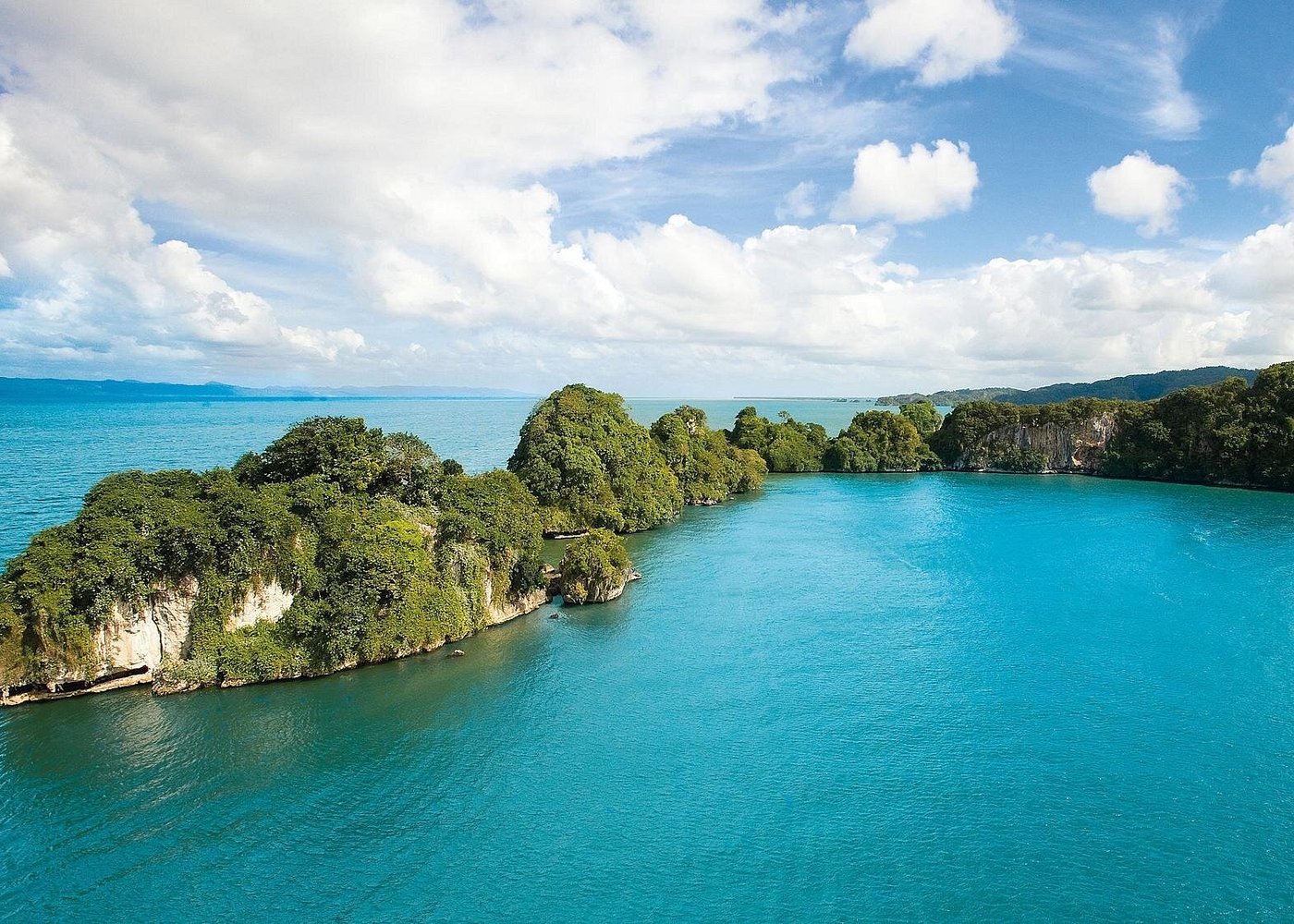
One of the first things visitors notice about Los Haitises is its unusual landscape. Instead of a coastline dominated by long sandy beaches, the park features impressive limestone formations rising above the water and surrounding vegetation.
These formations are part of a geological landscape known as karst.
Karst landscapes develop when water gradually dissolves soluble rock, particularly limestone. Over long periods, this natural process creates distinctive hills, caves, cavities, valleys, and underground formations.
What Are Mogotes?
The rounded and steep-sided limestone hills found throughout Los Haitises are commonly known as mogotes.
They rise dramatically from the surrounding landscape and create an unusual natural setting. Some appear as isolated green-covered hills, while others form part of a wider group of limestone formations.
Their shapes, heights, and arrangement make the scenery particularly interesting when viewed from a boat.
Why Are the Formations Special?
The limestone landscape gives Los Haitises a visual identity that differs from many other natural destinations in the Dominican Republic.
Visitors can experience:
- Forest-covered limestone hills
- Natural caves and cavities
- Narrow waterways between coastal formations
- Limestone cliffs and rocky surfaces
- Scenic views across the surrounding bay
The combination of water, vegetation, and limestone creates a landscape that is especially attractive for photography and nature exploration.
2. Extensive Mangrove Forests and Natural Waterways
Another major feature that makes Los Haitises special is its mangrove ecosystem.
Mangroves are coastal trees and shrubs adapted to environments where land and saltwater meet. They play an important role in maintaining healthy coastal ecosystems.
Los Haitises is recognized for its remarkable mangrove forests and waterways, which are among the most memorable parts of a park excursion.
Exploring Mangrove Channels
One of the most enjoyable ways to experience these forests is by boat.
Visitors can travel through selected channels surrounded by dense vegetation. The roots of mangrove trees extend into the water, creating a distinctive environment that supports many forms of aquatic and coastal life.
As the boat moves through these waterways, travelers can appreciate the peaceful surroundings and observe how the mangrove ecosystem connects with the wider coastal environment.
Why Are Mangroves Important?
Mangroves provide several environmental benefits:
- They offer habitats and nursery areas for aquatic species.
- They support coastal biodiversity.
- Their roots help stabilize shorelines.
- They contribute to the natural protection of coastal environments.
- They store carbon in vegetation and surrounding soils.
These ecological functions make mangrove conservation important for both nature and nearby communities.
What Makes the Mangroves Different?
In Los Haitises, mangroves exist alongside limestone formations, caves, coastal islands, and tropical forest areas.
This combination creates a distinctive landscape that visitors can experience during a single nature excursion.
3. A Remarkable Combination of Different Ecosystems
Many national parks are recognized for one major natural feature, such as mountains, beaches, forests, or wetlands.
Los Haitises is particularly interesting because it brings several types of ecosystems together.
The protected landscape includes coastal wetlands, mangrove forests, tropical vegetation, limestone terrain, caves, and marine environments.
Tropical Forest Environment
The park contains humid forest areas with dense vegetation and a variety of plant species.
These forests provide habitats for birds, reptiles, mammals, insects, and other wildlife.
The forest environment also contributes to the park's overall ecological diversity.
Coastal Wetlands
Wetlands are important natural environments where water influences the soil and vegetation.
In Los Haitises, coastal wetlands connect with mangrove forests and surrounding waterways. These areas support ecological processes and provide habitats for different species.
Marine and Coastal Habitats
The waters around the park are connected to the wider ecosystem of Samaná Bay.
These coastal environments support aquatic life and interact with the mangrove and wetland systems.
Why This Combination Matters
The relationship between forests, mangroves, wetlands, limestone formations, and coastal waters is one of the main reasons Los Haitises is ecologically distinctive.
Visitors are not simply exploring one type of natural attraction. They are discovering several connected environments within one protected region.
4. A Special Destination for Birdwatching and Wildlife Observation
Los Haitises is an important destination for people interested in birds and tropical wildlife.
Its forests, mangroves, coastal areas, and small islands provide different habitats for resident and migratory bird species.
The Dominican Republic's official tourism information highlights several birds associated with the park, including pelicans, herons, egrets, and other species.
Birds You May Encounter
Depending on the location, season, and natural conditions, visitors may observe:
- Pelicans
- Herons
- Egrets
- Hispaniolan woodpeckers
- Ridgway's hawks
- Other resident and migratory birds
Wildlife sightings are never guaranteed. The best approach is to remain patient and observe animals without disturbing their natural behavior.
Why Is Los Haitises Important for Birdwatching?
The variety of habitats gives different bird species opportunities to feed, rest, nest, and move through the area.
Mangroves and small coastal islands are particularly interesting places for observing bird activity.
Visitors who enjoy birdwatching may find the park especially rewarding because they can experience different environments during one excursion.
Tips for Wildlife Observation
To make the most of a wildlife experience:
- Bring binoculars if you have them.
- Carry a camera with a suitable zoom.
- Avoid making unnecessary noise.
- Observe birds from a respectful distance.
- Never feed or chase wild animals.
- Follow the instructions of your local guide.
Responsible observation helps protect the wildlife that makes Los Haitises special.
5. Caves with Taíno Cultural and Archaeological Heritage
Los Haitises is not only important because of its natural landscape. It also has significant cultural and historical value.
The park contains caves associated with the Indigenous Taíno people, who lived in the Caribbean before European colonization.
Some caves contain pictographs and petroglyphs that provide evidence of Indigenous artistic and cultural traditions.
What Are Taíno Pictographs and Petroglyphs?
Pictographs are images created using pigments on rock surfaces.
Petroglyphs are designs or symbols made by carving or engraving into rock.
These archaeological features help researchers and visitors understand aspects of the region's Indigenous past.
Why Are the Caves Important?
The caves provide valuable information about the cultural history of the area.
They also demonstrate that Los Haitises has been significant to people for much longer than its modern role as a national park and tourism destination.
Cave Exploration and Visitor Access
Some guided excursions include visits to authorized caves. However, cave access is not guaranteed on every tour.
Individual sites may have restrictions because of maintenance, conservation, or safety conditions. For example, Cueva de la Línea was subject to a temporary closure announced by the Dominican Ministry of Environment in June 2026.
Before booking, ask the operator which caves are currently open and included in the itinerary.
Visitors should never touch, damage, or write on archaeological surfaces. These cultural resources should be protected for future generations.
6. A Different Way to Explore Nature by Boat
Another feature that makes Los Haitises different from many other Dominican parks is the importance of boat-based exploration.
While some parks are primarily experienced through hiking trails, mountain routes, or beach visits, boat excursions are a major way to discover selected areas of Los Haitises.
Discovering the Park from the Water
A boat trip allows visitors to observe the relationship between the mangroves, coastal waterways, limestone formations, and surrounding vegetation.
Instead of viewing the landscape from one fixed location, visitors can experience different scenery as the boat travels through selected routes.
What Can You Experience?
Depending on the operator and itinerary, a boat excursion may include:
- Navigation through mangrove channels
- Views of limestone mogotes
- Birdwatching opportunities
- Coastal scenery around Samaná Bay
- Visits to authorized caves
- Information about the natural environment
The exact route and stops vary between excursions.
Why Choose a Guided Boat Tour?
A guided tour can provide more than transportation through the park.
Local guides may explain the area's geological formations, mangrove ecosystems, wildlife, and cultural heritage.
They can also help visitors understand park regulations and the importance of responsible tourism.
7. The Importance of San Lorenzo Bay
San Lorenzo Bay is an important part of the natural setting associated with Los Haitises.
Its coastal scenery includes waterways, mangrove vegetation, small islands, and limestone formations.
The surrounding environment contributes to the park's distinctive combination of terrestrial and aquatic habitats.
A Beautiful Coastal Landscape
The bay offers a different perspective from the country's well-known sandy beaches.
Instead of a typical resort coastline, visitors encounter a more natural environment shaped by vegetation, water, and limestone terrain.
A Habitat for Wildlife
The coastal ecosystem supports various forms of wildlife, including birds and aquatic species.
The nearby mangrove forests also contribute to the ecological importance of the area.
A Memorable Part of the Excursion
For visitors exploring Los Haitises by boat, the coastal scenery around San Lorenzo Bay can be one of the highlights of the experience.
It is an excellent opportunity to appreciate the natural character of the region.
8. How Los Haitises Compares with Other Dominican National Parks
The Dominican Republic has several national parks, and each protects a different combination of natural features.
Los Haitises is not necessarily better than the country's other parks. Its distinction comes from the particular combination of limestone karsts, mangroves, caves, wetlands, forests, and coastal waterways.
Here is a general comparison of some well-known protected destinations.
Los Haitises National Park
Main characteristics:
- Limestone karst formations
- Mangrove forests
- Coastal waterways
- Caves and Taíno rock art
- Tropical vegetation
- Birdwatching opportunities
Typical visitor experience: Boat excursions, mangrove exploration, cave visits where authorized, and wildlife observation.
Jaragua National Park
Jaragua National Park is located in the southwestern Dominican Republic and is associated with coastal and dry-land environments.
Its natural attractions include beaches, coastal landscapes, and important protected habitats.
Typical visitor experience: Coastal scenery, nature observation, and exploration of the southwestern landscape.
Sierra de Bahoruco National Park
Sierra de Bahoruco is known for its mountainous terrain, forest ecosystems, and varied natural environments.
It offers a different experience from the coastal landscape of Los Haitises.
Typical visitor experience: Mountain scenery, forest exploration, and nature observation.
Cotubanamá National Park
Cotubanamá National Park, historically known as Parque Nacional del Este, protects important coastal and island environments in the eastern Dominican Republic.
Its attractions include beaches, coastal habitats, and caves with cultural significance.
Typical visitor experience: Coastal exploration, island scenery, marine environments, and selected cave attractions.
Armando Bermúdez National Park
Armando Bermúdez National Park is associated with the mountainous interior of the Dominican Republic.
It is known for forest landscapes and mountain routes.
Typical visitor experience: Mountain hiking, forest exploration, and highland scenery.
What Makes Los Haitises Stand Out?
The main distinction is the combination of features found together in Los Haitises.
Visitors can experience limestone formations rising from coastal waters, mangrove channels, humid forest areas, caves, and bird habitats.
This makes it especially appealing to travelers who want a nature-focused excursion with both ecological and cultural elements.
9. The Ecological Importance of Los Haitises
Los Haitises is important not only as a tourism destination but also as a protected natural environment.
Its ecosystems support biodiversity and contribute to the ecological health of the northeastern Dominican Republic.
Protecting Mangrove Habitats
Mangroves provide essential habitats for different organisms and help stabilize coastal environments.
Protecting these forests helps maintain important natural processes.
Conserving Tropical Forests
The park's forest areas provide habitats for numerous plant and animal species.
Conservation helps protect these environments from unnecessary disturbance and degradation.
Preserving Wildlife
Birds and other animals depend on healthy habitats for feeding, shelter, and reproduction.
Responsible visitor behavior and effective conservation management are important for protecting these species.
Protecting Geological Features
The limestone formations and caves are important natural features that developed over long periods.
Visitors should avoid damaging rock surfaces, removing natural materials, or entering restricted areas.
Protecting Cultural Heritage
The park's Taíno archaeological features are part of the Dominican Republic's cultural heritage.
Preserving caves and rock art helps protect historical evidence that cannot easily be replaced.
10. What Activities Can You Enjoy in Los Haitises?
Los Haitises offers several nature-based experiences, although the availability of activities depends on the location, operator, and current park regulations.
Boat Excursions
Boat tours are among the most popular ways to discover the park.
They provide opportunities to explore selected waterways, observe mangroves, and admire limestone formations.
Mangrove Exploration
Visitors can experience the park's mangrove ecosystems through authorized boat routes and other permitted activities.
Birdwatching
The park's different habitats create opportunities to observe resident and migratory birds.
Cave Visits
Some excursions include authorized cave visits where visitors can learn about the area's geological and cultural history.
Nature Photography
The combination of limestone hills, mangroves, waterways, and wildlife creates interesting photography opportunities.
Guided Nature Experiences
A knowledgeable guide can explain the importance of the park's ecosystems and cultural heritage.
Always confirm the activities included in your selected tour before booking.
11. Best Places to Start Your Los Haitises Adventure
Two locations commonly associated with Los Haitises excursions are Sabana de la Mar and Samaná.
Sabana de la Mar
Sabana de la Mar is an important gateway for visitors exploring the park from the eastern side.
Travelers can find excursions departing from this area, depending on local operator arrangements.
It can be a practical starting point for people staying nearby or traveling through the Hato Mayor region.
Samaná
Samaná is another popular base for exploring the surrounding region.
Some excursions operate from this side of the bay and combine boat travel with visits to selected park attractions.
Which Starting Point Is Better?
The most suitable starting point depends on your accommodation, transportation, tour itinerary, and travel schedule.
Before booking, compare the exact departure locations and confirm whether ground transportation is included.
12. What Is the Best Time to Visit Los Haitises?
Los Haitises has a tropical environment, and weather conditions can influence outdoor activities throughout the year.
Visitors should prepare for warm temperatures, humidity, and possible rainfall.
Consider the Weather
Rain, wind, and water conditions may affect boat trips and other outdoor activities.
Check the forecast before your visit and follow the operator's advice.
Plan Your Excursion Carefully
If you are traveling from another part of the Dominican Republic, allow enough time to reach the departure point.
Avoid planning another important activity immediately after your excursion, as weather or transport conditions may affect the schedule.
Confirm Current Visitor Conditions
Before traveling, confirm that the attractions you want to visit are open and accessible.
This is particularly important if your preferred itinerary includes a cave or a specific visitor facility.
13. What Should You Bring for a Visit to Los Haitises?
A little preparation can make your visit more comfortable.
Recommended items include:
- Lightweight clothing
- Comfortable footwear
- Hat or cap
- Sunglasses
- Sunscreen
- Drinking water
- Camera or smartphone
- Waterproof pouch
- Insect repellent
- Small personal bag
If your excursion includes cave visits or walking, ask the operator whether any additional equipment or clothing is recommended.
Avoid carrying unnecessary valuables and follow all safety instructions.
14. Responsible Tourism: How to Protect Los Haitises
The natural and cultural features that make Los Haitises special also require careful protection.
Visitors can help preserve the park by following a few simple principles.
Do Not Leave Litter
Carry your waste with you and dispose of it properly.
Even small pieces of rubbish can negatively affect natural habitats.
Respect Wildlife
Avoid feeding animals, disturbing birds, or attempting to touch wildlife.
Observe animals from a respectful distance.
Protect Mangroves
Do not damage mangrove roots or vegetation.
Stay within authorized routes and follow the guide's instructions.
Respect Cave Art
Never touch, scratch, paint, or remove archaeological material.
Cave art and historical features are valuable cultural resources.
Follow Official Regulations
National park rules are designed to protect visitors, wildlife, and natural habitats.
Follow the instructions of authorized guides and park authorities throughout your visit.
15. Is Los Haitises Worth Visiting Compared with Other Dominican Parks?
If you are interested in nature, biodiversity, geology, and cultural heritage, Los Haitises is a destination worth considering.
Its main attraction is not a single feature but the combination of several natural and historical elements.
You can discover mangrove forests, limestone formations, tropical vegetation, coastal waterways, caves, and bird habitats within the same protected landscape.
Compared with parks focused primarily on mountains, beaches, or dry forests, Los Haitises offers a distinctive coastal and karst environment.
It may be particularly suitable for:
- Nature lovers
- Birdwatching enthusiasts
- Landscape photographers
- Travelers interested in geology
- Visitors interested in Taíno heritage
- Families seeking a guided nature experience
- Travelers exploring Samaná and Sabana de la Mar
The best destination ultimately depends on your travel interests. If you want to experience mangroves, limestone formations, and coastal waterways together, Los Haitises is an excellent option to consider.
16. Plan Your Visit to Los Haitises National Park
Los Haitises offers a distinctive opportunity to discover another side of the Dominican Republic.
Its limestone mogotes, mangrove forests, caves, tropical vegetation, coastal scenery, and wildlife create an experience that is different from many traditional tourist attractions.
Whether you are interested in nature photography, birdwatching, geological landscapes, or Indigenous history, the park offers several reasons to include it in your travel plans.
Before visiting, compare available excursions, check the departure point, review the itinerary, and confirm current access conditions for individual attractions.
If you are planning to explore the park by boat, a guided excursion can help you discover its natural features while learning about the importance of protecting this remarkable environment.
Explore available Los Haitises tours and choose an experience that matches your travel plans.
Browse Los Haitises Boat Tours
Discover the landscapes, ecosystems, and cultural heritage that make Los Haitises one of the most distinctive natural destinations in the Dominican Republic.
Frequently Asked Questions About What Makes Los Haitises Unique
1. What makes Los Haitises National Park different from other Dominican parks?
Los Haitises is distinguished by its combination of limestone karst formations, mangrove forests, tropical vegetation, caves, coastal waterways, bird habitats, and Taíno cultural heritage.
2. What is Los Haitises National Park famous for?
The park is especially known for its limestone mogotes, mangrove channels, caves with rock art, coastal scenery, and diverse birdlife.
3. Why are the limestone formations in Los Haitises special?
The formations are part of a karst landscape created through geological processes involving the dissolution of limestone. Their distinctive shapes create an unusual landscape of hills, caves, and rocky formations.
4. Are there mangrove forests in Los Haitises?
Yes. Mangrove forests are one of the park's most important natural features. They provide habitats for wildlife and contribute to coastal ecosystem protection.
5. Can visitors explore Los Haitises by boat?
Yes. Boat excursions are a popular way to explore selected areas of the park, including mangrove waterways and coastal scenery.
6. What wildlife can visitors see in Los Haitises?
Visitors may observe pelicans, herons, egrets, woodpeckers, and other birds. Wildlife sightings depend on natural conditions and location.
7. Does Los Haitises have caves?
Yes. The park contains caves associated with its limestone geology and Indigenous cultural heritage. Some contain Taíno pictographs and petroglyphs.
8. What is the connection between Los Haitises and the Taíno people?
Some caves contain pictographs and petroglyphs associated with Taíno cultural history, making the park important for both natural and cultural heritage.
9. Where is Los Haitises National Park located?
Los Haitises is in the northeastern Dominican Republic, near Samaná Bay, Samaná, and Sabana de la Mar.
10. Is Los Haitises suitable for birdwatching?
Yes. Its mangroves, forests, wetlands, and coastal habitats support a variety of resident and migratory bird species.
11. Which is better for nature lovers, Los Haitises or a mountain national park?
It depends on your interests. Los Haitises is particularly suitable for visitors interested in mangroves, limestone formations, caves, and coastal ecosystems. Mountain parks offer a different experience focused on highland landscapes and forest routes.
12. Can visitors explore caves during every Los Haitises tour?
No. Cave visits depend on the tour itinerary and current official access conditions. Confirm availability with the operator before booking.
13. Is Los Haitises good for photography?
Yes. The limestone formations, mangroves, waterways, and birdlife provide many opportunities for nature and landscape photography.
14. What is the best way to experience Los Haitises?
A guided excursion by boat is a popular option for discovering the park's coastal scenery and mangrove channels. Other activities may be available depending on current regulations and the selected tour.
15. Why should I visit Los Haitises National Park?
Los Haitises offers a combination of natural beauty, ecological diversity, geological features, and cultural heritage. It is a rewarding destination for travelers who want to discover a different side of the Dominican Republic.
Local explorer & expert guide in Birdwatching Guide.


