Mangrove Wildlife in Los Haitises: Fish, Crabs, Birds and Other Species of the Wetlands
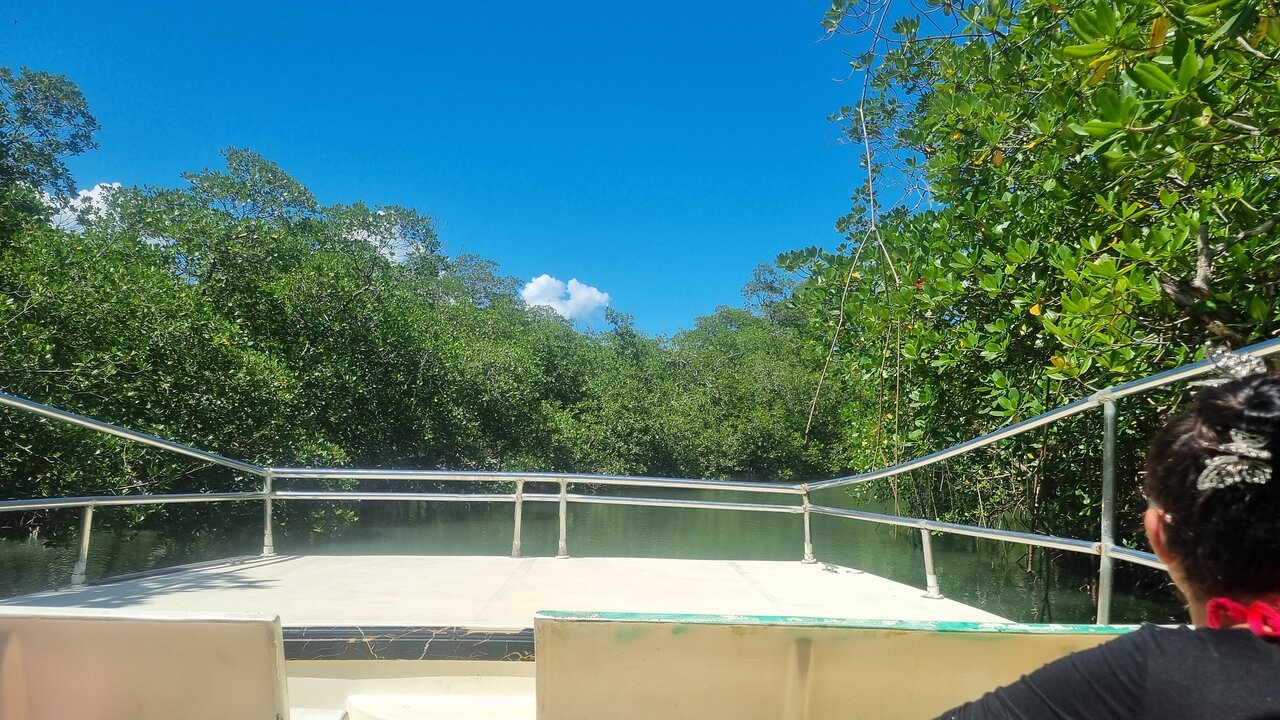
The mangrove forests of Los Haitises National Park are among the most fascinating places to explore along the northeastern coast of the Dominican Republic. Their winding waterways, tangled roots and sheltered coastal waters create habitats for a wide variety of wildlife. Some animals are easy to notice from a boat, while others remain hidden beneath the water, among the roots or inside the muddy forest floor.
Fish use the sheltered water around mangrove roots. Crabs and other invertebrates live in the mud and vegetation. Herons, egrets and pelicans search the shallow water for food, while other birds rest or nest around coastal wetlands.
These animals are part of a larger ecological community connecting mangroves, rivers, estuaries and Samaná Bay.
For travelers visiting Los Haitises from Sabana de la Mar, learning about mangrove wildlife can make a boat excursion more rewarding. Instead of looking only at the scenery, visitors can begin to recognize the different habitats and the animals that depend on them.
1. Why Mangroves Are Important Wildlife Habitats
Mangroves are coastal trees and shrubs adapted to salty or brackish water. They grow in sheltered tropical shorelines, estuaries and tidal waterways where their roots can remain partly or regularly submerged.
Their unusual root systems create a complex habitat.
The roots provide hiding places for small fish and aquatic invertebrates. Muddy areas support crabs, molluscs and other organisms. The branches provide resting and nesting locations for some birds.
Mangroves also help maintain the physical conditions that wildlife needs. Their roots slow water movement, trap some sediment and contribute to shoreline stability.
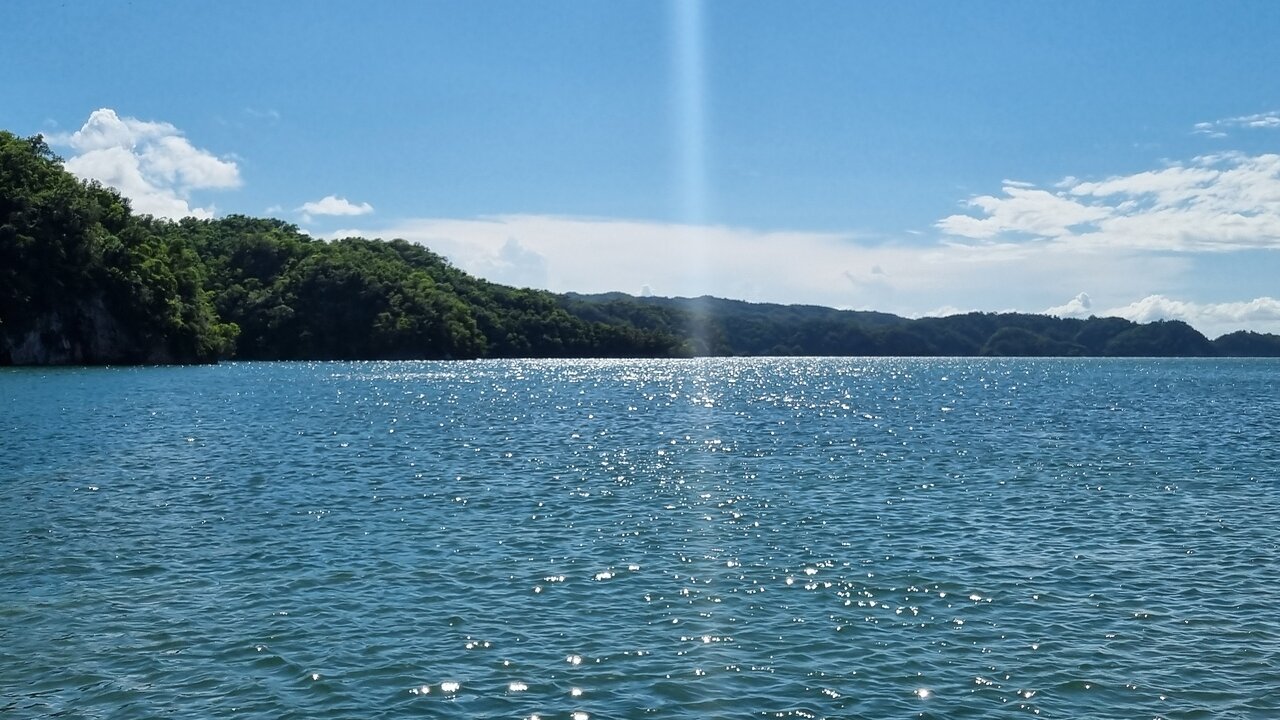
In Los Haitises, mangrove forests form part of a wider protected landscape that includes limestone hills, coastal wetlands, forest and marine environments. The Dominican Republic's official tourism information identifies the park's extensive mangroves and the bird colonies found around its coastal formations.
The result is a habitat where terrestrial, freshwater and marine influences meet.
2. Fish That Use Mangrove Waters
Fish are an important part of mangrove food webs. The shallow water around mangrove roots can provide shelter for small fish and juvenile stages of some marine species.
The tangled roots create spaces where smaller animals may avoid predators. Nearby water also provides access to food, including plankton, small invertebrates and organic material.
Mangrove habitats can support different kinds of fish, depending on salinity, water depth, season and local conditions. Some species use mangrove areas during only part of their life cycle, while others may spend more time in coastal or estuarine waters.
Examples of fish groups commonly associated with Caribbean mangrove and estuarine habitats include:
- Snappers: Several species use coastal habitats and may be associated with mangrove areas during different life stages.
- Snooks: These coastal predatory fish are associated with estuaries and sheltered waterways in parts of the Caribbean.
- Tarpons: These large coastal fish can use estuarine and nearshore waters.
- Small juvenile fish: Many young fish use the shelter provided by mangrove roots and shallow water.
These examples describe the ecological role of Caribbean mangrove habitats. They should not be interpreted as a confirmed checklist of fish species present in every Los Haitises channel.
The most important point is that mangroves provide valuable nursery and feeding habitat for coastal fish populations.
3. Crabs Living Among Mangrove Roots
Crabs are among the most recognizable animals associated with mangrove ecosystems.
Different crab species use different parts of the habitat. Some occupy muddy ground, others shelter among roots, and some move between exposed mud surfaces and shallow water.
Their activities contribute to the health of the wetland.
Crabs may feed on fallen leaves, algae, small organisms and decaying organic material. By breaking down plant material and moving sediment, they help recycle nutrients within the ecosystem.
Visitors may sometimes notice small movements on exposed mud or around mangrove roots. However, crabs can hide quickly when boats, people or other disturbances approach.
It is best to observe them without trying to catch or handle them.
4. Shrimp, Molluscs and Other Small Invertebrates
Mangrove wildlife includes many organisms that visitors rarely see during an ordinary boat excursion.
Shrimp, molluscs, worms and other small invertebrates occupy the water, mud and root surfaces.
These animals perform important ecological functions.
Shrimp may use sheltered mangrove waters during early life stages or while feeding.
Molluscs include organisms that live on roots, in sediments or on nearby hard surfaces. Some species filter particles from the water, while others feed on algae or organic material.
Worms and other sediment organisms help process organic matter and contribute to nutrient cycling.
Oysters and other attached organisms can occur on suitable submerged surfaces, including mangrove roots in appropriate conditions.
Together, these small organisms support larger animals such as fish and birds. Although they may be difficult to observe, they are essential parts of the mangrove food web.
5. Herons and Egrets: Birds of the Shallow Water
Herons and egrets are among the birds visitors may recognize around the coastal wetlands of Los Haitises.
These wading birds often feed in shallow water, along muddy edges or around sheltered channels. Their long legs allow them to move through water while searching for fish and other small animals.
They may stand still for long periods before making a quick movement to catch prey.
Herons and egrets can be found in different coastal and freshwater habitats, so their presence is not limited to mangroves.
For nature photographers, their feeding behavior can be particularly interesting. Watching quietly from a suitable distance gives birds more opportunity to continue their natural activities.
6. Pelicans and Other Coastal Birds
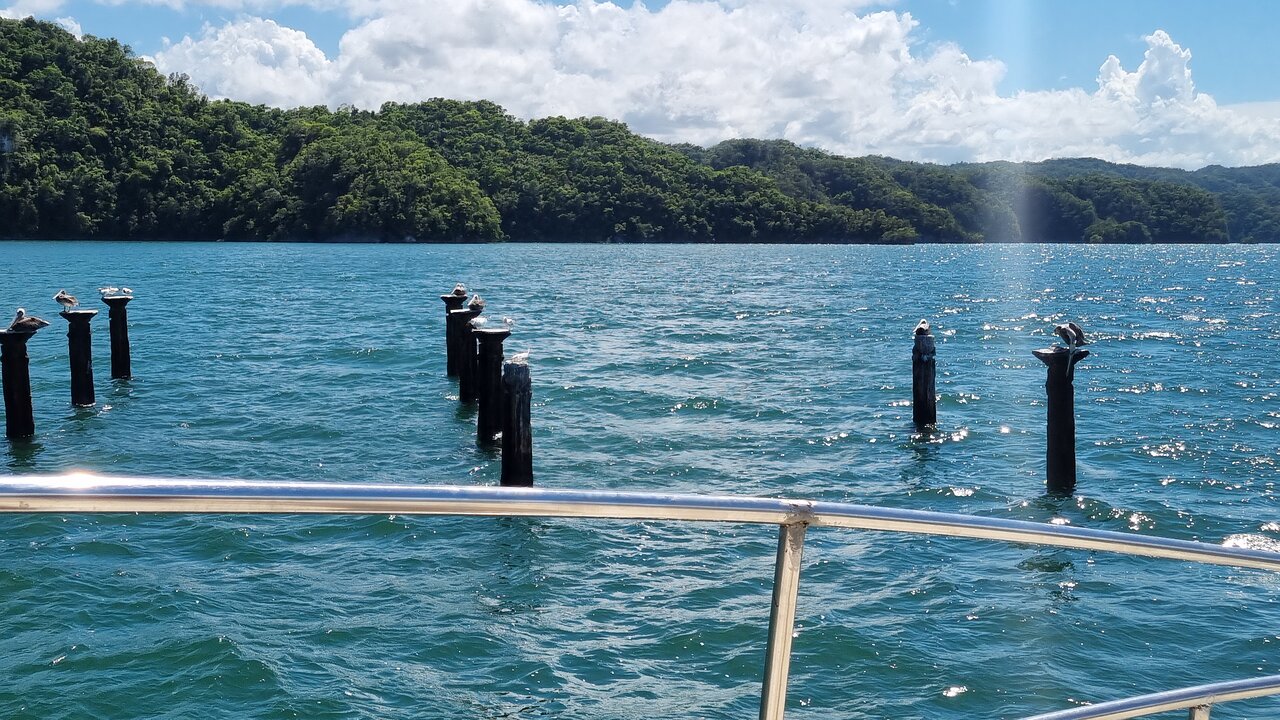
Pelicans are another well-known part of the wider coastal bird community.
Brown pelicans are adapted to catching fish in coastal waters. They may glide over the water and plunge toward the surface when feeding.
Los Haitises is also associated with a variety of other coastal and forest birds. Depending on location and conditions, visitors may encounter:
- Herons and egrets.
- Brown pelicans.
- Frigatebirds.
- Other waterbirds and shore-associated species.
- Resident forest birds around the mangrove and limestone landscapes.
The official Dominican Republic tourism description of Los Haitises specifically highlights pelicans, herons and egrets among the birds found in the park.
Not every bird will be present in every location or during every visit. Wildlife observation depends on habitat, season, weather and the time of day.
7. Why Mangroves Are Important for Nesting and Resting Birds
Mangroves provide more than feeding grounds.
Their branches can offer sheltered places for birds to rest, roost and, in suitable locations, establish nesting colonies.
Coastal birds may use mangroves because they provide access to nearby feeding areas and places to avoid some land-based disturbances.
The value of a mangrove forest depends on its structure. Dense vegetation, suitable branches and the availability of nearby food can influence how birds use a particular site.
For this reason, protecting mangrove vegetation also helps preserve habitat for birds.
Visitors should avoid approaching nesting areas or encouraging boats to get too close to groups of resting birds.
8. Reptiles and Other Animals Around Wetlands
Mangrove wetlands form part of a larger landscape where different types of wildlife can occur.
Reptiles may use the vegetation, muddy edges, nearby forest and coastal habitats. Some species spend time near water, while others are more closely associated with woodland or rocky terrain.
The wider Los Haitises region is also known for amphibians, reptiles and native mammals. The park's biodiversity includes species that use habitats beyond the mangrove forest itself.
It is important to distinguish between animals that live in the wider national park and those specifically associated with mangrove channels.
A species recorded in the park's forests or caves should not automatically be described as a mangrove resident.
The best way to understand the wildlife is to consider the park as a collection of connected habitats, each supporting different communities.
9. How Mangrove Wildlife Forms a Food Web
The animals in a mangrove forest are connected through feeding relationships.
Fallen leaves and other plant material enter the water and sediment. Microorganisms help break down this material, making nutrients available to other organisms.
Small invertebrates feed on organic matter, algae and other food sources. Shrimp, crabs and molluscs become food for fish and birds. Larger fish and coastal predators may feed on smaller animals.
A simplified mangrove food web looks like this:
Mangrove leaves and organic material → microorganisms and small invertebrates → shrimp, crabs and small fish → larger fish and fish-eating birds.
This is not a complete description of every food relationship, but it illustrates why mangrove habitats are so productive.
If the mangrove forest is damaged, the effects can extend beyond the trees. Animals that depend on its roots, sediment and food supply may also be affected.
10. Why Mangrove Wildlife Is Important to Local Fisheries
Mangroves are connected to coastal fisheries because many marine animals use sheltered wetland habitats during parts of their life cycles.
Young fish and invertebrates can benefit from the protection and food available around mangrove roots. As they grow, some move into other coastal or marine habitats.
This means the value of mangroves can extend beyond the forest itself.
Healthy coastal wetlands help maintain ecological processes that support fish populations and other marine resources. They are therefore important to the long-term sustainability of coastal communities.
For people living around Samaná Bay, healthy marine and wetland ecosystems can contribute to livelihoods as well as biodiversity.
Protecting mangroves is not only about preserving attractive scenery. It also helps maintain the natural systems on which coastal life depends.
11. What Wildlife Can Visitors Observe During a Boat Excursion?
A boat trip through Los Haitises can provide opportunities to observe mangrove habitats and coastal birds.
Visitors may notice:
Birds resting near channels: Herons, egrets and other waterbirds may be visible along suitable shorelines.
Fish movement: Small fish may sometimes be seen in clear, shallow water around roots or sheltered edges.
Crabs on muddy surfaces: Depending on the tide and local conditions, small crabs may be visible near mangrove roots.
Mangrove root habitats: Looking closely at the submerged roots can reveal the complex structure that provides shelter for aquatic organisms.
Coastal scenery: The mangroves, limestone formations and waterways show how different habitats fit together.
Wildlife sightings are never guaranteed. Some animals are naturally difficult to observe, and the visibility of fish and invertebrates changes with water conditions.
A quiet approach and a patient attitude usually make wildlife watching more enjoyable.
12. Responsible Wildlife Watching in Los Haitises
Mangrove habitats can be sensitive to disturbance. Boats, noise, litter and direct contact with wildlife can affect animals and their surroundings.
Visitors can help protect the ecosystem by following a few simple practices:
- Keep a respectful distance from birds and other animals.
- Never feed wild animals.
- Avoid touching or removing crabs, shells and other organisms.
- Do not damage mangrove roots or branches.
- Keep rubbish out of the water.
- Avoid loud noises near resting or nesting birds.
- Follow authorized routes and guide instructions.
- Do not enter restricted areas to photograph wildlife.
Responsible observation allows visitors to appreciate the natural environment without changing the behavior of the animals they came to see.
13. Tips for Photographing Mangrove Wildlife
Photographing wildlife in a mangrove forest can be challenging because vegetation, changing light and moving boats affect visibility.
A few practical tips can help:
Bring binoculars: They make it easier to observe birds without approaching them.
Use a suitable zoom lens: A zoom lens helps photograph animals while keeping a respectful distance.
Watch the edges of channels: Birds may feed along shallow water and exposed muddy areas.
Be patient: Wildlife may appear briefly and disappear into vegetation.
Avoid flash where inappropriate: Bright flashes can disturb animals, especially in darker or enclosed habitats.
Protect your equipment: Boat spray and humidity can damage cameras, so use a waterproof bag or protective cover.
Good wildlife photography should never take priority over animal welfare.
14. Frequently Asked Questions About Mangrove Wildlife in Los Haitises
What animals live in the mangroves of Los Haitises?
Mangrove habitats can support fish, shrimp, crabs, molluscs and other invertebrates. Birds such as herons, egrets and pelicans use the wider coastal wetland environment. Other animals may occur in nearby forest and coastal habitats.
Are there fish in the mangrove channels?
Mangrove waterways provide habitat and shelter for fish, including juvenile fish from coastal species. Visibility and fish activity vary with water conditions and location.
Can visitors see crabs in Los Haitises?
Crabs are part of mangrove and coastal wetland ecosystems. They may be difficult to spot because they hide among roots and mud, so sightings are not guaranteed.
Which birds can be seen around the mangroves?
The park's coastal birdlife includes pelicans, herons and egrets. Other waterbirds and forest birds may also be observed depending on the location and season.
Why do young fish use mangrove roots?
The spaces between mangrove roots can provide shelter from predators and access to food. These conditions make some mangrove areas important nursery habitats.
Do mangroves support shrimp and oysters?
Mangrove and estuarine habitats can support shrimp and molluscs. Oysters may attach to suitable submerged surfaces, including mangrove roots where local conditions allow.
Is it possible to photograph wildlife during a Los Haitises boat trip?
Yes. Visitors may photograph birds, mangrove habitats and other visible wildlife. A zoom lens and binoculars are useful, and animals should always be observed without disturbance.
Are wildlife sightings guaranteed on a tour?
No. Wildlife is unpredictable. Sightings depend on the season, weather, water conditions, location and animal behavior.
Discover the Wildlife Behind the Mangrove Scenery
The mangroves of Los Haitises are much more than beautiful green waterways. They provide habitat for fish, crabs, shrimp, molluscs, birds and many other organisms that help maintain the coastal ecosystem.
Some wildlife is easy to recognize, while much of it remains hidden beneath the water or among the roots. Together, these animals form a connected community that supports biodiversity and coastal productivity.
When visiting Los Haitises from Sabana de la Mar, take time to observe the mangroves carefully. Watch the birds, look for movement in shallow water and appreciate the habitat without disturbing it.
A responsible visit helps protect the wildlife that makes this national park such a remarkable natural destination.
Local explorer & expert guide in Birdwatching Guide.