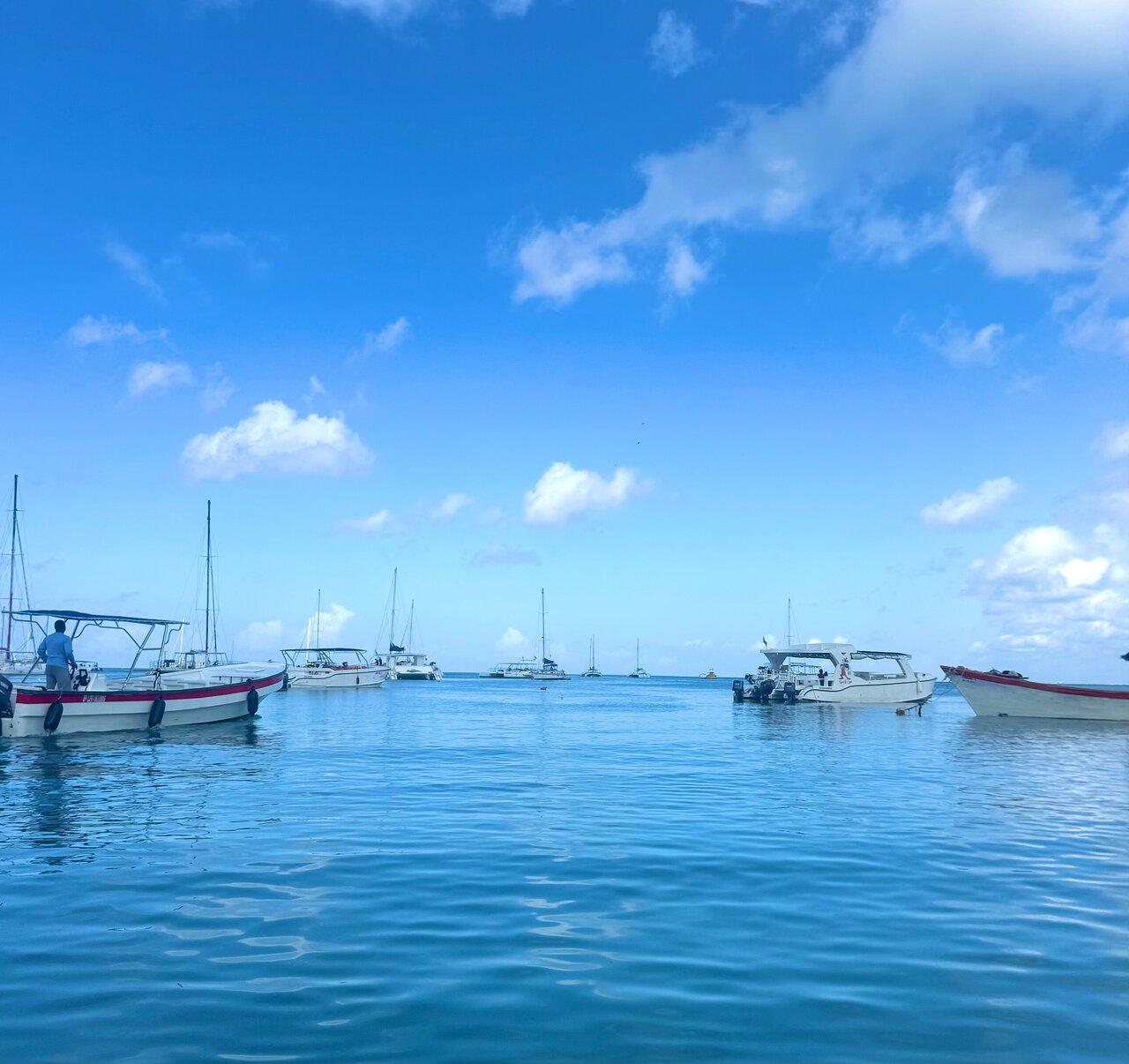
Saona Island Spanish Phrase Guide: Useful Words and Expressions for International Visitors
Visiting Saona Island is an opportunity to enjoy Caribbean beaches, boat excursions and the welcoming atmosphere of the Dominican Republic. If you are travelling from another country, learning a few Spanish expressions can make everyday interactions easier and help you feel more confident throughout your trip.
You do not need to speak fluent Spanish to enjoy an organised Saona Island excursion. However, knowing how to greet someone, ask a question, order a meal or request assistance can be useful when communicating with guides, boat crews, restaurant staff and local sellers.
This practical guide introduces Spanish phrases for common travel situations, with English translations and simple examples you can save on your phone before departure.
1. Do You Need to Speak Spanish on Saona Island?
Spanish is the official language of the Dominican Republic. English is also spoken in many tourist areas, and some hotels, tour operators and guides provide multilingual assistance. However, language availability can vary between businesses and individual excursions.
The Dominican Republic's official tourism website explains that English is widely spoken in tourist areas, while also recommending that visitors learn some useful Spanish expressions.
If you are booking a Saona Island tour, ask the provider which languages the guide speaks. Confirm whether important announcements, meeting instructions and safety briefings will be provided in a language you understand.
Learning a few basic expressions is still worthwhile, even if you expect to use English for most of your holiday.
2. Basic Spanish Greetings and Polite Expressions
Greetings are a simple way to begin a conversation. Using a friendly greeting and saying thank you can make everyday interactions more comfortable.
SpanishEnglish meaningHolaHelloBuenos díasGood morningBuenas tardesGood afternoonBuenas nochesGood evening / Good nightPor favorPleaseGraciasThank youMuchas graciasThank you very muchDe nadaYou're welcomePerdónExcuse me / PardonDisculpeExcuse meLo sientoI'm sorryHasta luegoSee you laterAdiósGoodbye
Example conversation:
Visitor: Buenos días.
Staff member: Buenos días.
Visitor: ¿Cómo está?
Staff member: Muy bien, gracias.
English meaning:
Visitor: Good morning.
Staff member: Good morning.
Visitor: How are you?
Staff member: Very well, thank you.
3. Useful Questions for Tour Arrangements
Before and during an excursion, you may need to ask about meeting points, departure times, included services or the tour itinerary.
These expressions can help:
SpanishEnglish meaning¿Dónde está el punto de encuentro?Where is the meeting point?¿A qué hora salimos?What time do we leave?¿A qué hora regresamos?What time do we return?¿Cuánto dura la excursión?How long does the excursion last?¿Qué incluye el tour?What does the tour include?¿Está incluido el almuerzo?Is lunch included?¿Dónde está nuestro guía?Where is our guide?¿Necesito mostrar mi reserva?Do I need to show my booking?¿Puedo pagar con tarjeta?Can I pay by card?¿Hay un cargo adicional?Is there an additional charge?
Useful example:
“¿Qué incluye el tour?”
This means “What does the tour include?” You can use it to ask whether meals, drinks, transportation or particular activities are part of your selected package.
Always confirm important booking details directly with the operator.
4. Spanish Phrases for Boat Excursions
A boat trip is an important part of many Saona Island experiences. Clear communication with the crew and guide can help you understand the arrangements.
SpanishEnglish meaning¿Dónde debo sentarme?Where should I sit?¿Dónde está mi asiento?Where is my seat?¿Cuándo debemos abordar?When should we board?¿Dónde está el chaleco salvavidas?Where is the life jacket?¿Puedo hablar con el capitán?Can I speak with the captain?¿Cuánto falta para llegar?How much longer until we arrive?¿Cuándo debemos regresar?When should we return?No entiendo las instruccionesI don't understand the instructions¿Puede repetirlo, por favor?Can you repeat that, please?
If you do not understand a safety instruction, ask the guide to explain it again before proceeding. Do not guess about boarding, swimming or return instructions.
5. Spanish Phrases for Restaurants and Food
Food can be an important part of a Saona Island excursion. If you are eating at a restaurant or receiving a meal during a tour, these phrases may help.
SpanishEnglish meaningTengo hambreI am hungryTengo sedI am thirstyAgua, por favorWater, please¿Qué recomienda?What do you recommend?¿Qué incluye el menú?What does the menu include?Quisiera comer pescadoI would like to eat fishQuisiera arrozI would like rice¿Tiene comida vegetariana?Do you have vegetarian food?No como carneI don't eat meatSoy alérgico / alérgica a...I am allergic to...La cuenta, por favorThe bill, pleaseEstaba deliciosoIt was delicious
Example:
“¿Tiene comida vegetariana?”
This means “Do you have vegetarian food?”
If you have a food allergy, explain it clearly and ask the staff to confirm the ingredients. For serious allergies, do not rely only on a short translated phrase; make sure the person preparing or serving the food understands the requirement.
6. Spanish Phrases for Shopping and Souvenir Purchases
You may want to browse souvenirs or ask about an item's price during your visit.
SpanishEnglish meaning¿Cuánto cuesta?How much does it cost?¿Cuánto es?How much is it?¿Tiene otro color?Do you have another colour?¿Tiene otro tamaño?Do you have another size?¿Puedo verlo?Can I see it?Es muy bonitoIt is very beautifulSolo estoy mirandoI'm just looking¿Acepta efectivo?Do you accept cash?¿Acepta tarjeta?Do you accept cards?Gracias, noThank you, no
Example:
Visitor: ¿Cuánto cuesta?
Seller: Cuesta diez dólares.
Visitor: Gracias.
English meaning:
Visitor: How much does it cost?
Seller: It costs ten dollars.
Visitor: Thank you.
The price in this example is only illustrative, not a statement about actual island prices.
7. Spanish Phrases for Directions and Facilities
Knowing how to ask for basic facilities can be helpful during a beach stop or excursion.
SpanishEnglish meaning¿Dónde está el baño?Where is the restroom?¿Dónde está la playa?Where is the beach?¿Dónde está la salida?Where is the exit?¿Dónde puedo comprar agua?Where can I buy water?¿Dónde está el restaurante?Where is the restaurant?¿Dónde está mi grupo?Where is my group?¿Dónde puedo esperar?Where can I wait?¿Puede ayudarme?Can you help me?
Facilities and their locations vary by excursion and beach area. Ask your guide where the available facilities are rather than assuming that every stop has the same services.
8. Spanish Phrases for Emergencies and Asking for Help
It is especially important to communicate clearly when you need assistance.
SpanishEnglish meaningNecesito ayudaI need helpNecesito un médicoI need a doctorMe siento malI feel unwellEstoy perdido / perdidaI am lostNo encuentro a mi grupoI cannot find my groupLlame a mi guía, por favorPlease call my guideNecesito aguaI need water¿Dónde está el personal?Where is the staff?Es una emergenciaIt is an emergency
For a serious emergency, contact the appropriate local emergency service and inform your guide or tour operator. The Dominican Republic's official tourism travel information lists 911 as the emergency number.
Keep your tour operator's contact details accessible and know where your group is expected to meet.
9. Understanding Formal and Informal Spanish
Spanish has different ways of addressing people. When speaking with someone you do not know, the formal form “usted” is a polite option.
For example:
- ¿Cómo está usted – How are you?
- ¿Puede ayudarme – Can you help me?
- ¿Puede repetirlo – Can you repeat it?
You may also hear informal expressions among friends or in relaxed conversations. You do not need to master every form before travelling. Starting with polite, straightforward expressions is a practical approach.
The Dominican Republic's official tourism FAQ recommends using the formal form when addressing someone you do not know well.
10. A Few Dominican Spanish Expressions You May Hear
Dominican Spanish has its own accent, everyday expressions and pronunciation patterns. Some words may sound different from the Spanish you have studied in a classroom.
You may hear:
ExpressionGeneral meaning¿Qué lo qué?What's up / How's it going?GuaguaBusCarroCarConchoShared taxiFríaA cold beer, in some everyday contexts
These expressions are useful to recognise, but you do not need to use local slang yourself. Standard, polite Spanish is perfectly suitable for most visitor interactions.
11. How to Communicate When You Do Not Speak Spanish
You can still communicate effectively when your Spanish is limited.
Try these practical methods:
Speak slowly: Use short sentences and avoid combining several questions into one long explanation.
Use simple words: A short question is usually easier to understand than a complicated sentence.
Show written phrases: Save useful expressions on your phone so you can show them when speaking becomes difficult.
Use a translation app: Translation tools can help with everyday conversations. Download offline language resources in advance if your chosen app supports them.
Confirm important information: Repeat meeting times, prices and instructions to make sure both sides understand.
Ask for clarification: Use “No entiendo” or “¿Puede repetirlo, por favor?” when you need someone to explain something again.
For safety instructions, medical information or other important matters, ask a qualified person to clarify the meaning rather than relying entirely on automatic translation.
12. Save This Quick Spanish Cheat Sheet Before Your Trip
Here are ten useful expressions to keep ready on your phone:
SpanishEnglishHolaHelloGraciasThank youPor favorPlease¿Habla inglés?Do you speak English?No entiendoI don't understand¿Dónde está el baño?Where is the restroom?¿Cuánto cuesta?How much does it cost?¿A qué hora regresamos?What time do we return?Necesito ayudaI need help¿Puede repetirlo?Can you repeat it?
Save this list as a screenshot or note so you can access it without searching through a long article.
Frequently Asked Questions
Is Spanish necessary for visiting Saona Island?
No. Many visitors arrange excursions without speaking Spanish. However, learning basic expressions can make communication easier, and you should confirm the guide's language before booking.
Do Saona Island tour guides speak English?
Language options depend on the operator and the specific excursion. Ask whether an English-speaking guide is available and whether safety briefings and important announcements are also provided in English.
What is the most useful Spanish phrase for tourists?
“¿Habla inglés?” (Do you speak English?), “No entiendo” (I don't understand) and “¿Puede ayudarme?” (Can you help me?) are useful starting expressions.
How do I ask for the restroom in Spanish?
Say “¿Dónde está el baño?” This means “Where is the restroom?”
How do I ask the price of something?
Say “¿Cuánto cuesta?” This means “How much does it cost?”
Can I use a translation app during my excursion?
Yes, translation apps can be useful for basic communication. Prepare offline resources if available and do not rely on automated translation for essential safety instructions.
Should I learn Dominican slang before visiting?
It is not necessary. Basic standard Spanish, polite greetings and a few practical questions are enough to help with many everyday travel interactions.
Final Thoughts
A little Spanish preparation can make your Saona Island visit more comfortable. You do not need to memorise hundreds of words or become fluent before travelling.
Start with greetings, polite expressions, questions about your excursion, food vocabulary and phrases for asking for help. Keep the most useful expressions saved on your phone and confirm important tour information directly with your provider.
Most importantly, communicate patiently, listen carefully and ask questions whenever something is unclear. A few simple words can make everyday interactions easier and help you enjoy your Caribbean experience with greater confidence.

Local explorer & expert guide in Birdwatching Guide.


