Saona Island for Sketch Artists: A Caribbean Day of Beachside Drawing and Painting
Saona Island is famous for its white-sand beaches, turquoise water, palm trees and beautiful Caribbean scenery. For many visitors, the island is a place to swim, relax, enjoy a boat excursion and experience the natural beauty of the Dominican Republic. However, it can also inspire a different kind of travel experience: creating art.
If you enjoy drawing, sketching or painting, a day trip to Saona Island can become an opportunity to collect visual memories in your own creative style. Instead of only taking pictures, you can draw the outline of a palm tree, paint the colours of the sea or make a small illustration of a tropical beach.
You do not need to be a professional artist. A simple notebook and a pencil can be enough to begin.
This guide explains how amateur artists and creative travellers can enjoy Saona Island while making practical, responsible choices during an organised excursion.
1. Why Saona Island Can Inspire Artists
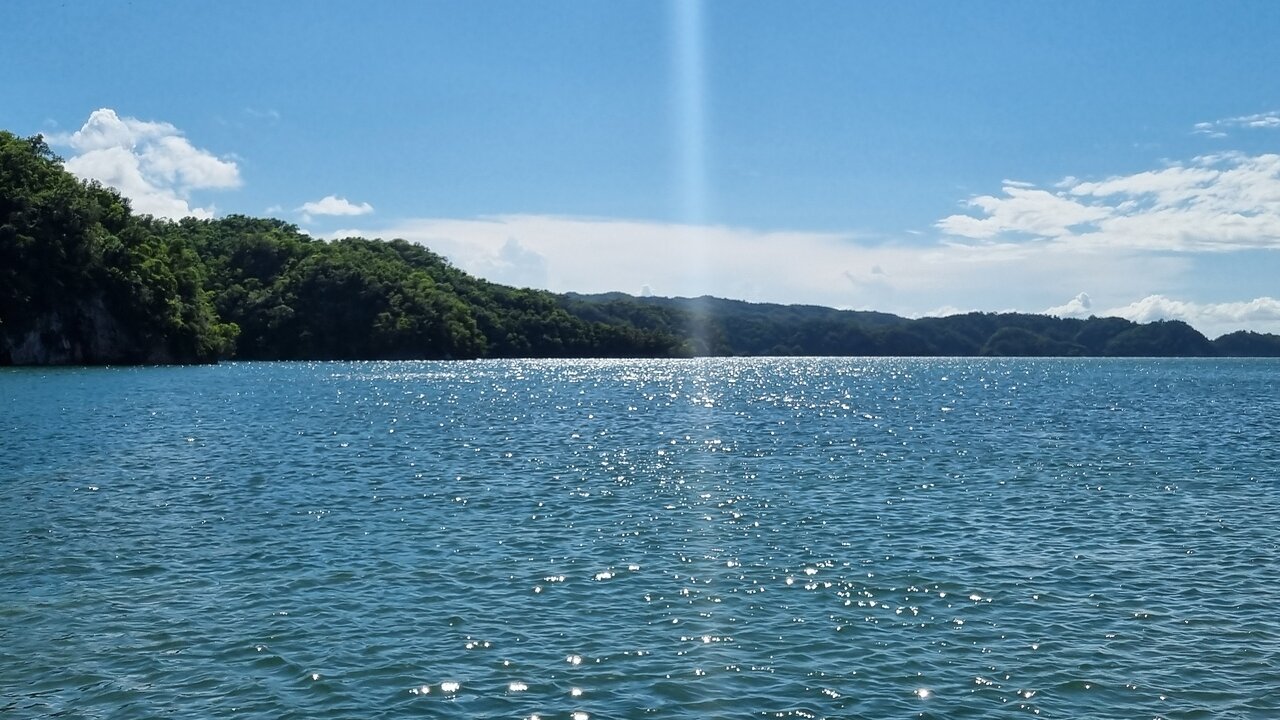
A tropical island offers many subjects for drawing and painting. Saona Island has a combination of natural scenery, coastal views and village details that can provide inspiration for different artistic styles.
Some subjects to consider include:
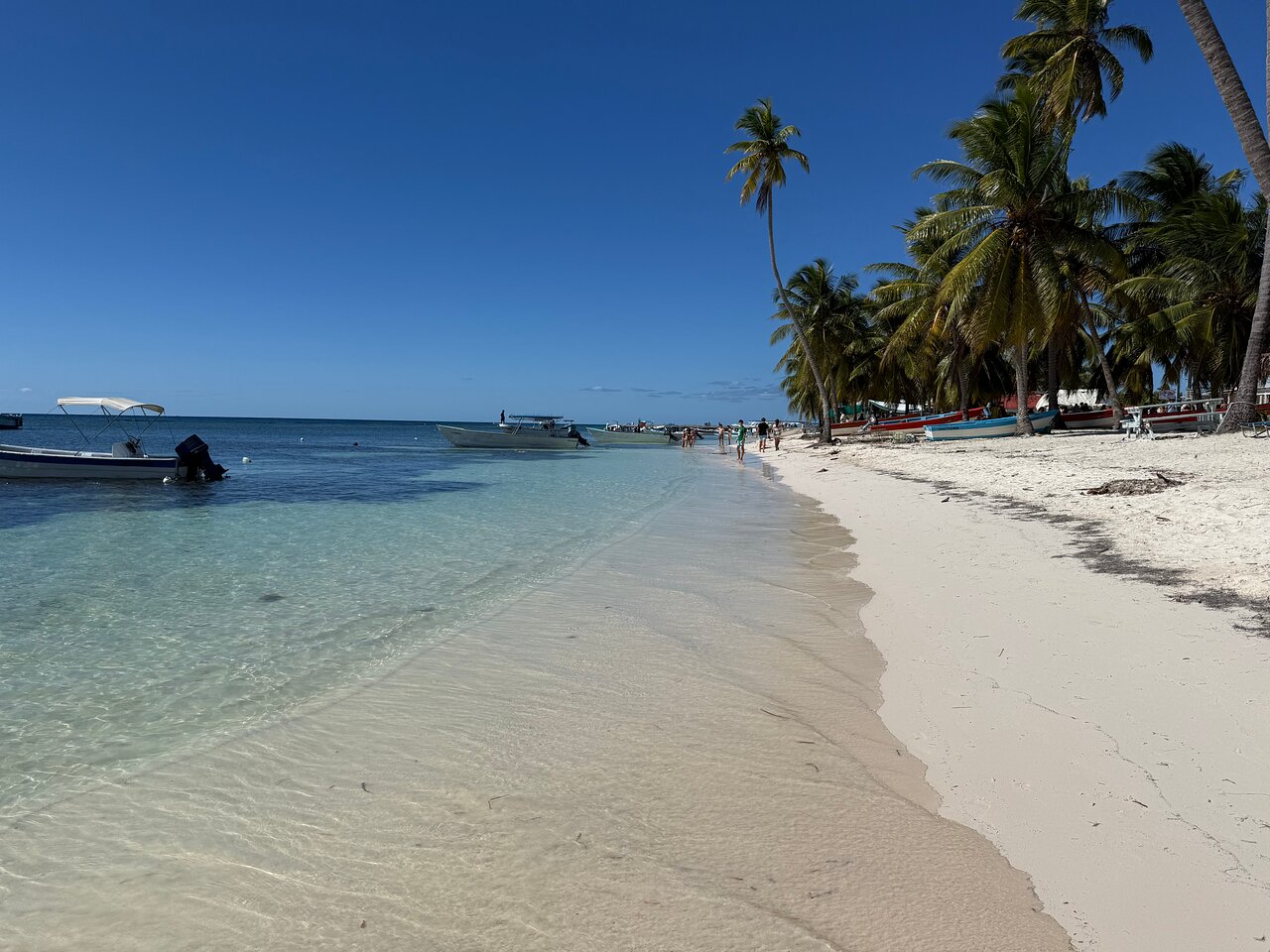
- Palm trees leaning towards the beach.
- The contrast between white sand and turquoise water.
- Boats resting near the shoreline.
- Clouds and changing patterns in the sky.
- Tropical vegetation and distant coastal views.
- Colourful details of everyday life in Mano Juan, when the itinerary includes a respectful visit.
The island is also part of Cotubanamá National Park, a protected natural area. Visitors should enjoy the scenery without disturbing wildlife, removing natural objects or leaving materials behind.
For an artist, the aim is not to collect pieces of the island. It is to create a personal record of the experience.
2. Choose the Right Saona Island Excursion
Not every excursion provides the same amount of free time. Some tours have a busy schedule with boat transfers, swimming stops, lunch and organised activities. Others may offer a more relaxed itinerary or private arrangements.
Before booking, consider how much time you would like to spend drawing.
Shared group excursions
A shared tour can be suitable if you simply want to make a few quick sketches during available breaks. However, you should not expect the group to wait while you complete a painting.
Private excursions
A private trip may offer more flexibility, depending on the operator's route and arrangements. You can ask whether there is an opportunity for a longer beach stop or a quieter moment for sketching.
Catamaran and speedboat experiences
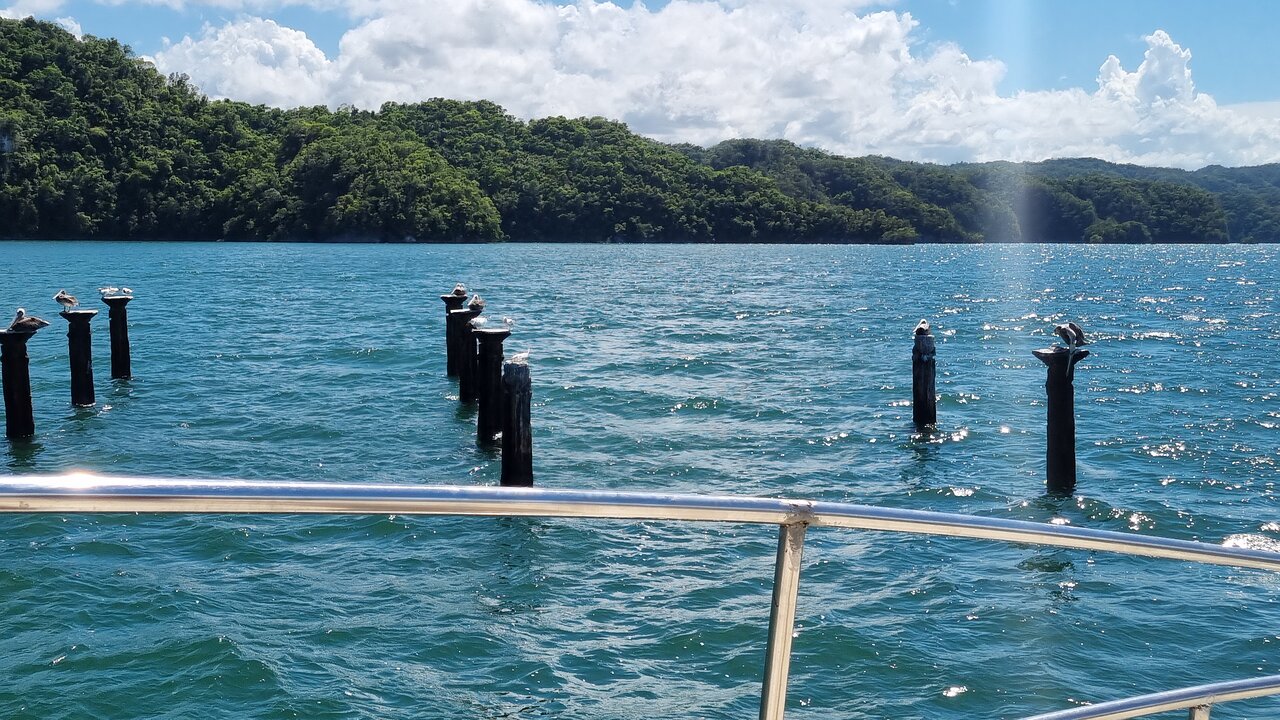
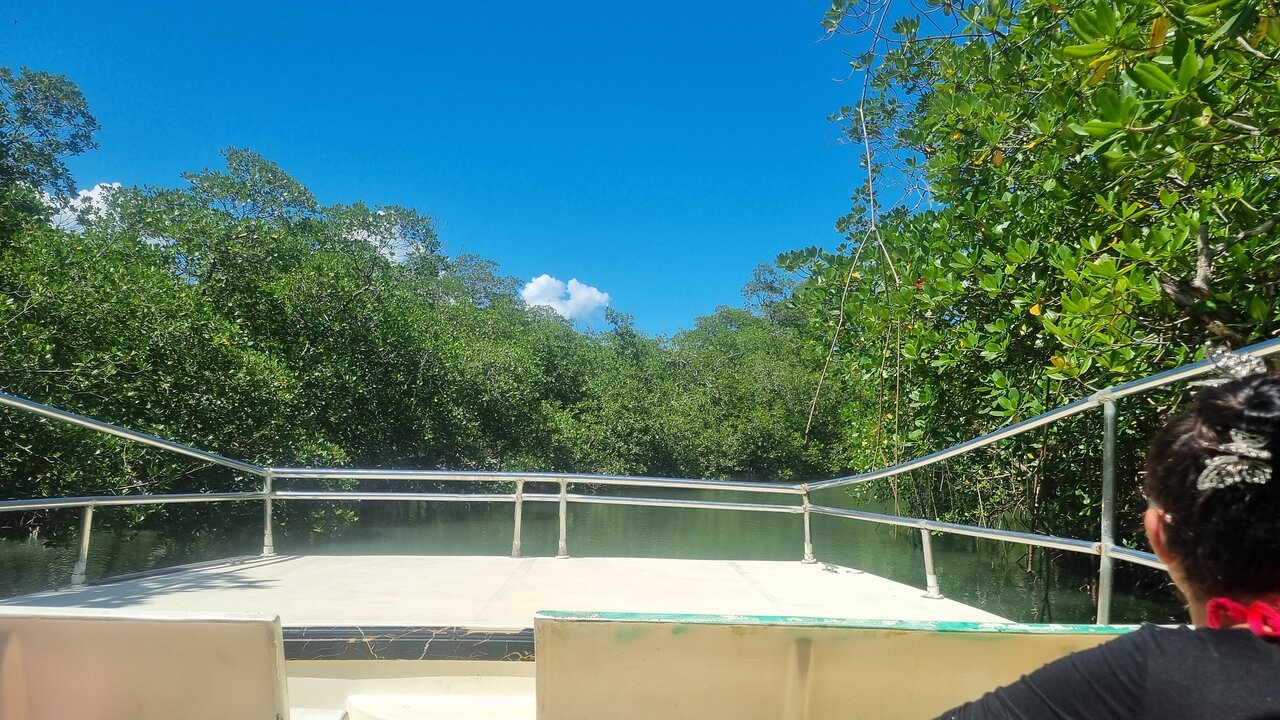
The boat journey itself can provide interesting views, but drawing while a vessel is moving may be difficult. Keep your supplies secured and save detailed work for a stable location.
Before making a booking, ask the operator:
- Is there free time during the beach stop?
- Can I bring a small sketchbook and art supplies?
- Are watercolour paints or other liquid materials permitted aboard?
- Is there a suitable place to sit while drawing?
- Does the itinerary include Mano Juan or another scenic stop?
- Can the schedule accommodate a short creative break?
Do not assume that a tour includes an organised painting activity. Unless the operator confirms it, treat sketching as your own personal activity during free time.
3. What Art Supplies Should You Bring?
A full professional art kit is unnecessary for a day trip. A small, lightweight collection is easier to carry and manage.
Basic sketching kit
For beginners, consider bringing:
- A small sketchbook.
- Two or three pencils.
- A compact eraser.
- A pencil sharpener with a container for shavings.
- A waterproof or resealable pouch.
- A small clip to keep pages from moving in the breeze.
A pencil-and-paper kit is a practical choice because it does not require water, paint containers or extensive cleaning.
Watercolour travel kit
If you prefer painting, a compact travel set may be useful. Consider:
- A small watercolour palette.
- A watercolour sketchbook.
- Two or three travel brushes.
- A small water container with a secure lid.
- A cloth or absorbent paper.
- A lightweight board or firm backing surface.
Check the excursion provider's rules before carrying paints, water containers or other materials onto the boat. Avoid bringing large bottles, glass containers or anything that could spill and create a problem for other passengers.
Keep your kit compact
The best art kit is one you can manage comfortably throughout the excursion. A small pouch is usually more practical than a large backpack filled with equipment.
4. Best Subjects to Draw on Saona Island
You can create several small artworks without spending the entire excursion in one place.
Palm trees and beach scenery
Palm trees are classic tropical subjects. Start with the main trunk and the direction of the leaves. Add a simple horizon line and a few shapes to suggest the beach.
Do not worry about drawing every leaf. A few confident lines can communicate the scene.
Turquoise water and the shoreline
The meeting point between the sea and the sand can be an interesting subject for watercolour artists.
Try using different shades to suggest shallow and deeper water. Keep the painting simple, focusing on the contrast between the sea, beach and sky.
Boats and coastal views
Boats can be drawn using basic geometric shapes. Start with the hull, then add the mast, canopy or other visible details.
If you are drawing near a boat departure or landing area, stay clear of passenger movement and crew working spaces.
Mano Juan village details
If your excursion includes a stop in Mano Juan, you may find inspiration in its streets, buildings and everyday surroundings.
Be respectful when drawing people, homes or local businesses. Ask permission before making someone the main subject of a portrait, and do not obstruct residents or visitors.
A small drawing of a street view or building detail can be a meaningful travel memory.
5. Finding a Comfortable Place to Sketch
A good sketching location should be comfortable, stable and out of the way of other visitors.
Look for a place where you can sit without blocking walkways, boat access points, restaurant entrances or other shared spaces.
Consider these practical details:
- Shade: A shaded place can make it easier to work in tropical sunlight.
- Stable seating: A bench or suitable seat is more practical than balancing a sketchbook on your knees in soft sand.
- Wind: A breeze can turn pages, so use a clip or keep the sketchbook secured.
- Foot traffic: Choose a spot away from busy paths and activity areas.
- Personal belongings: Keep your art materials and bag close to you.
Facilities and seating arrangements vary by beach and excursion operator. Do not assume that a particular chair, table or shaded area is available unless it has been confirmed.
6. A Simple Art-Friendly Saona Island Day Plan
You do not need to organise a separate art tour to enjoy creative time on the island. You can fit small drawing sessions around the activities included in your excursion.
Before departure
Prepare your sketchbook and choose two or three subjects you would like to draw. Keep your supplies together in a compact pouch.
During the boat journey
Enjoy the coastal views and observe the colours and shapes around you. If the vessel is moving, avoid trying to complete detailed drawings. You can make a few short notes or wait until you reach a stable location.
During the beach stop
After following the guide's instructions and settling in, use a short period of free time for a quick sketch.
A ten-minute drawing can be enough to record the shape of a palm tree or the outline of the shoreline.
During lunch
Keep your materials packed away while eating. Food, drinks, sand and paint supplies do not mix well on a shared table.
During an optional village visit
If Mano Juan is included, observe the surroundings respectfully. A simple street scene or building sketch may be a better choice than drawing identifiable people without permission.
Before returning
Check that every pencil, brush, paper scrap and piece of packaging is packed away. Make sure nothing has been left on the beach.
7. Watercolour Painting in a Tropical Environment
Watercolour can be a lovely medium for tropical scenery, but outdoor painting requires some preparation.
Heat, wind and humidity can affect your materials. Paper may behave differently in humid conditions, and water containers can spill if they are not secured.
To make the experience easier:
- Use a small travel palette.
- Keep water containers tightly closed when not in use.
- Avoid painting in a strong breeze.
- Protect unused paper from moisture.
- Keep paint and cleaning water away from the sea and natural habitats.
- Pack out all waste and used materials.
Do not pour paint water, cleaning liquids or other art waste into the sea, onto the beach or into vegetation. If you cannot manage the materials responsibly, choose pencil sketching instead.
8. Respect the Island While Creating Art
Saona Island is not an outdoor studio reserved for visitors. It is a protected natural destination and a place where local communities live and work.
Creative activities should never interfere with the environment or other people's experience.
Follow these principles:
- Do not remove shells, coral, plants or other natural materials.
- Do not disturb wildlife to create a better composition.
- Avoid leaving pencil shavings, paper scraps, paint containers or packaging.
- Do not use paints or solvents where they could enter the environment.
- Keep clear of boat operations and designated visitor routes.
- Ask permission before drawing identifiable people.
- Respect private spaces and local residents.
You can create a beautiful artwork using only what you observe. There is no need to touch or collect anything.
9. Beginner-Friendly Drawing Ideas
If you are not confident in your artistic ability, start with simple exercises.
The five-minute palm tree
Draw one curved trunk and several long leaves. Add a short line for the beach and a simple horizon.
The three-colour sea
Choose three colours to represent the water, shoreline and sky. Paint broad areas rather than trying to reproduce every detail.
A boat silhouette
Draw the basic shape of a boat against the sea. Add only a few details to make it recognisable.
A tropical postcard
Divide a small page into three areas: sky, sea and beach. Add one palm tree or boat to create a simple postcard-style illustration.
These exercises are suitable for beginners and can be completed during short breaks.
10. What If You Are Travelling With Other People?
Not everyone in your group will want to draw or paint. That is perfectly fine.
Keep your art sessions short and flexible. Let your companions enjoy swimming, walking, eating or relaxing while you use an appropriate free-time period for sketching.
If you are travelling with children who enjoy drawing, give them a small notebook and a pencil. Encourage them to draw what they see rather than collecting objects from the beach.
For larger groups, avoid spreading art materials across shared seating areas. Keep your supplies organised and respect the excursion schedule.
11. How to Preserve Your Saona Island Artwork
Your sketches can become a personal travel collection.
After returning to your accommodation:
- Let any watercolour pages dry completely.
- Store loose drawings in a protective folder.
- Write the date and location on the page.
- Add a short note about the excursion or subject.
- Keep damp or sandy materials separate from finished artwork.
You can later turn several small sketches into a travel-art collection, a scrapbook or a handmade postcard set.
If you share your artwork online, consider adding a short description of the place and the experience. Avoid publishing private images of other people without their permission.
12. Frequently Asked Questions
Can I bring a sketchbook on a Saona Island tour?
A small sketchbook is generally a practical personal item, but you should check the tour operator's luggage and equipment rules before departure.
Can I paint with watercolours on Saona Island?
You may be able to use a compact watercolour set during suitable free time, but first confirm that the operator permits the materials. Keep all paint and cleaning water away from the beach, sea and natural environment.
Is there a dedicated painting area on Saona Island?
Do not assume that an organised painting space or art facility exists. Visitors should use only suitable public areas where they are allowed to sit without disturbing others.
Is Saona Island suitable for beginner artists?
Yes. Beginners can make simple drawings of palm trees, boats, the shoreline and tropical scenery. You do not need professional skills or expensive equipment.
Can I draw local people in Mano Juan?
Be respectful and ask permission before making an identifiable person the subject of your artwork. Avoid drawing in a way that interrupts residents or their daily activities.
Should I bring a professional art kit?
A large professional kit is usually unnecessary for a day excursion. A compact sketchbook, pencils and a small set of supplies are easier to carry.
Can I organise a private painting excursion?
You can ask local tour operators whether they offer private arrangements with enough free time for sketching. Do not assume that painting is an included service; confirm the itinerary and any special arrangements before booking.
13. Final Thoughts: Take Home More Than Photographs
Saona Island offers a memorable Caribbean setting for travellers who enjoy drawing and painting. Its beaches, palm trees, boats and village scenery can inspire simple sketches and colourful watercolour studies.
You do not need to spend the entire day creating a finished painting. A few minutes with a sketchbook can be enough to capture a view and remember how the island felt.
Choose an excursion that fits your schedule, bring a compact art kit, respect local communities and protect the natural environment.
Whether you are an experienced painter or someone who has never filled a sketchbook before, a Saona Island day trip can become a creative travel experience worth remembering.
Local explorer & expert guide in Birdwatching Guide.