A Local Guide to the Waterfront of Sabana de la Mar (2027)
The waterfront of Sabana de la Mar offers visitors a glimpse into a quieter and more traditional side of the Dominican Republic. Located along the southern shore of Samaná Bay, this coastal town is known for its fishing activity, maritime connections, and proximity to the remarkable natural environment of Los Haitises National Park.
Unlike the busy waterfront areas of major tourist destinations, Sabana de la Mar has a strong connection to everyday coastal life. Fishing, local transportation, community activities, and tourism all contribute to the character of the town.
For travelers visiting Los Haitises, the waterfront is also an interesting place to experience before or after a boat excursion. You can observe the bay, discover local surroundings, learn about the town's fishing traditions, and enjoy the atmosphere of a Dominican coastal community.
This guide explores what visitors can expect from the Sabana de la Mar waterfront, what to see nearby, how the waterfront connects with local life, and how to include it in a trip to Los Haitises in 2027.
1. Where Is the Waterfront of Sabana de la Mar?
Sabana de la Mar is a municipality in Hato Mayor Province in the northeastern Dominican Republic.
The town sits along the southern margin of Samaná Bay, a large coastal bay surrounded by green hills, mangrove ecosystems, small communities, and important natural habitats.
Its geographical position has influenced the development of the local community for generations. Fishing and other activities connected with the sea remain important parts of the area's identity.
The waterfront is closely connected to the town's maritime character. It is part of a working coastal environment rather than simply a recreational promenade designed for tourists.
For visitors, this provides an opportunity to observe a more everyday side of Dominican coastal life.
2. What Makes Sabana de la Mar's Waterfront Special?
The waterfront's appeal comes from its relationship with the bay and the surrounding community.
The municipality describes Sabana de la Mar as a town situated along Samaná Bay with significant fishing activity. Its official tourism information also highlights Los Haitises as one of the area's major attractions.
Several features make the waterfront interesting for visitors.
Coastal Scenery
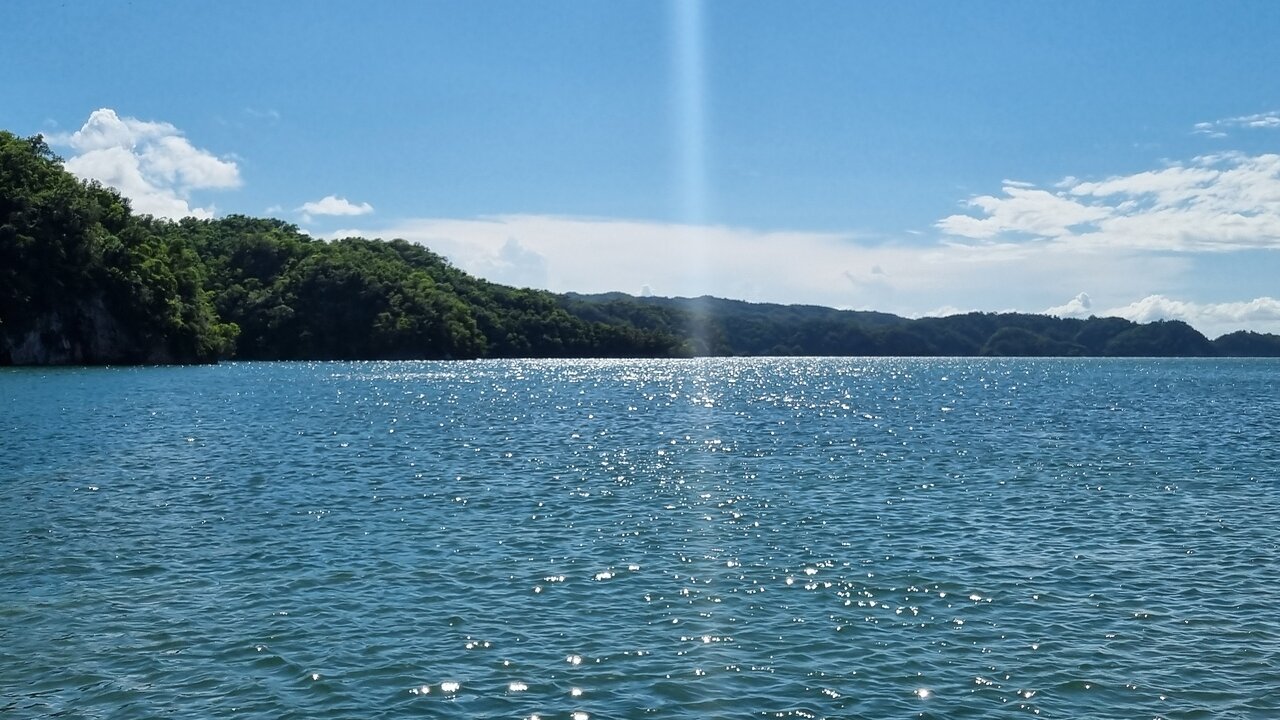
The town's position along Samaná Bay provides opportunities to appreciate the surrounding water and coastal landscape.
Depending on the weather and visibility, visitors can enjoy views across the bay and observe boats moving through the area.
Local Fishing Culture
Fishing is an important part of Sabana de la Mar's identity.
The municipality identifies fishing as a significant local economic activity. Visitors may therefore encounter boats and activities associated with the fishing community.
Everyday Community Life
The waterfront is connected with the routines of local residents.
Rather than expecting a large commercial tourist promenade, visitors should approach the area as part of a working coastal town.
Connection to Los Haitises
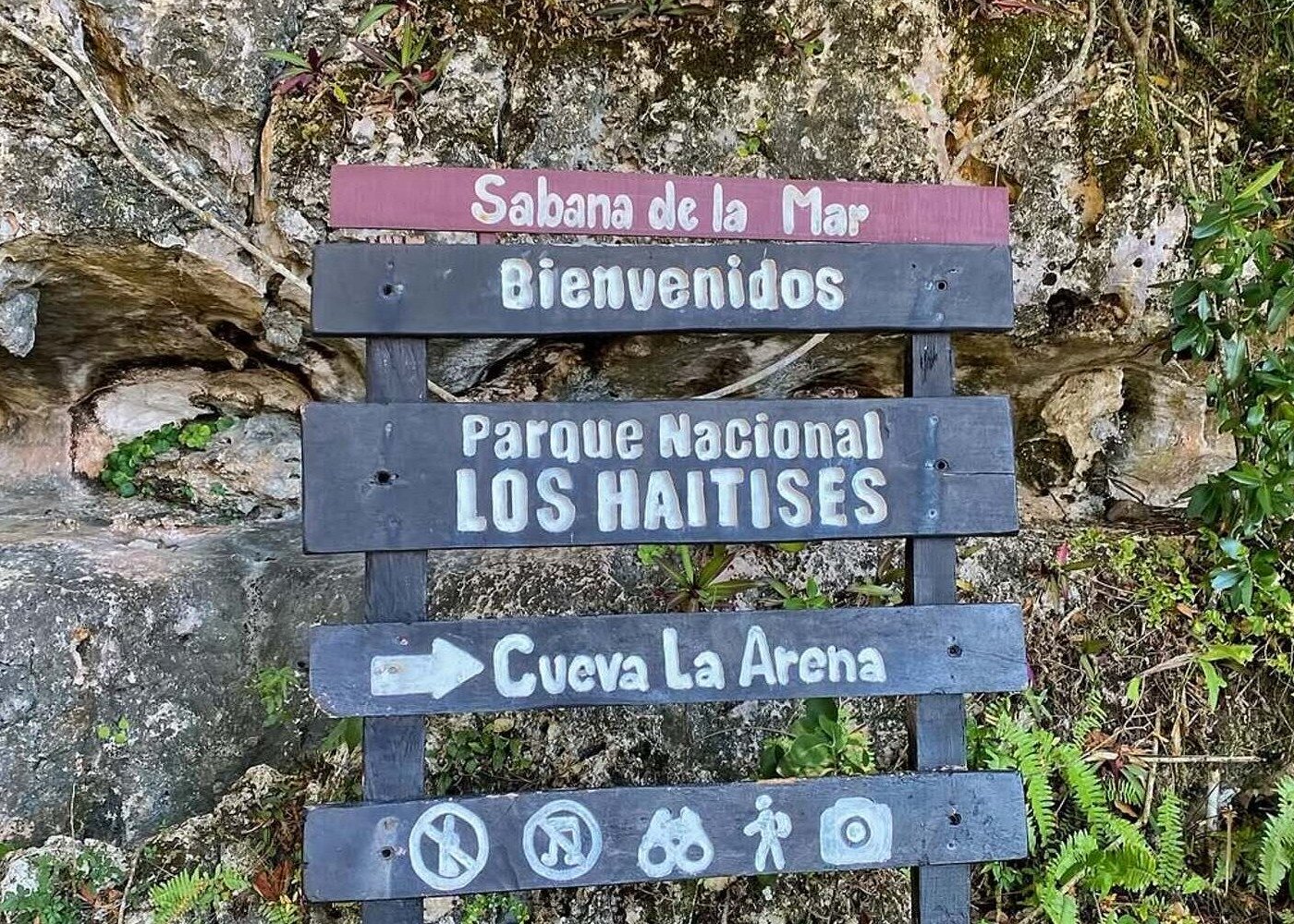
Sabana de la Mar is an important access point for excursions into Los Haitises National Park.
This gives the waterfront an additional role in the visitor experience, particularly for travelers arranging boat trips.
3. Discover the Local Fishing Culture
One of the most interesting aspects of Sabana de la Mar is its relationship with fishing.
The town's location beside Samaná Bay has helped make fishing an important part of local life and the regional economy.
Visitors exploring the waterfront may encounter fishing boats, coastal activity, and businesses connected to seafood.
Fishing also influences the area's food culture.
The official tourism information for the Dominican Republic describes Sabana de la Mar as a place where visitors can experience traditional cuisine based on the daily catch brought in by local fishermen.
This connection between the sea and local food is part of what makes the town interesting.
What Visitors Can Learn
A visit to the waterfront can provide insight into:
- The importance of fishing to the community.
- The relationship between coastal geography and local livelihoods.
- The role of boats in everyday transportation.
- The connection between fishing and regional cuisine.
- The importance of protecting marine environments.
Visitors should remember that fishing areas are working spaces. Respect local activities, avoid interfering with equipment, and follow any signs or instructions.
4. Enjoy Views Across Samaná Bay
Samaná Bay is one of the defining geographical features of this part of the Dominican Republic.
Its coastal scenery provides an attractive background for a visit to Sabana de la Mar.
The bay is surrounded by a combination of coastal settlements, green landscapes, waterways, and natural habitats.
For visitors, the waterfront provides an opportunity to appreciate the scale and character of this environment.
What to Look For
During your visit, you may enjoy observing:
- The open water of Samaná Bay.
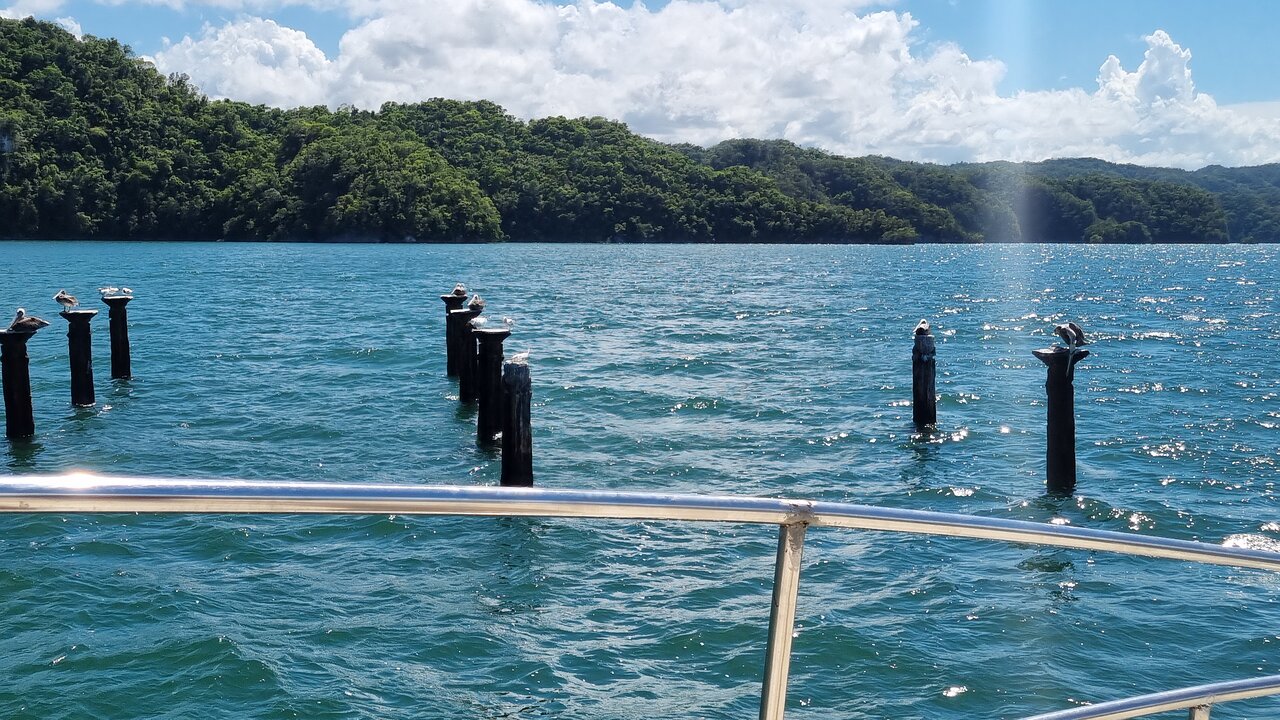
- Fishing and passenger boats.
- Coastal vegetation.
- The changing appearance of the bay under different weather conditions.
- Activity around the town's waterfront areas.
The scenery can be particularly interesting for travelers who enjoy landscape photography.
However, remember that visibility, weather, and boat activity vary from day to day.
5. Watch Local Boats and Maritime Activity
Boats are an important part of life around Sabana de la Mar.
The town's location makes water transportation relevant to local travel, fishing, and tourism.
Visitors may encounter different types of maritime activity depending on the time and location of their visit.
Fishing Boats
Fishing boats reflect the town's connection with the surrounding waters.
Observing them can help visitors understand how coastal communities depend on nearby marine resources.
Passenger Transportation
Sabana de la Mar is connected with Santa Bárbara de Samaná by a ferry service across Samaná Bay.
This connection is useful for travelers moving between the two areas.
The ferry is a transportation service, not automatically a guided sightseeing tour of Los Haitises.
Tourist Excursion Boats
Boat excursions also operate in the wider area, allowing visitors to explore Los Haitises and its surrounding natural attractions.
If you are planning a park excursion, confirm the exact departure point and meeting time with your operator.
6. Taste Local Seafood and Dominican Cuisine
Food is an important part of discovering a coastal community.
In Sabana de la Mar, the relationship between fishing and local cuisine is especially relevant.
The official Dominican tourism information highlights the town's traditional food culture, which is strongly associated with the daily catch from local fishermen.
Visitors interested in regional food may want to try seafood dishes and other Dominican specialties at local restaurants.
Seafood Dishes to Look For
Depending on restaurant availability and the menu, you may encounter:
Fresh fish: Fish prepared using local cooking traditions is a natural choice in a coastal town.
Pescado con coco: Fish prepared with coconut-based sauce is a well-known regional specialty in the broader northeastern Dominican region.
Shrimp dishes: Seafood dishes featuring shrimp are popular in parts of the Samaná region.
Fried fish: A simple preparation that allows the flavor of the fish to remain central.
Other Dominican Foods
You may also find traditional dishes such as:
- Tostones.
- Rice and beans.
- Sancocho.
- Fried plantains.
- Local desserts.
Menus and availability vary, so ask what is freshly prepared when visiting a restaurant.
7. Is Sabana de la Mar Waterfront a Good Place for Photography?
Yes. The waterfront and surrounding coastal environment can offer interesting photography opportunities.
It is especially suitable for visitors who enjoy documenting local communities and natural scenery.
Photography Ideas
Coastal landscapes: Photograph the bay and the surrounding environment.
Boats: Capture fishing and transportation boats from appropriate public viewing areas.
Local life: Observe everyday community activities respectfully.
Water reflections: Depending on lighting and weather, the water may create attractive reflections.
Natural surroundings: Look for opportunities to photograph coastal vegetation and birds.
Photography Tips
- Visit during suitable daylight conditions.
- Keep your camera or phone protected from water.
- Avoid obstructing working areas.
- Ask permission before taking close-up portraits of residents.
- Do not photograph restricted facilities.
- Respect privacy and local customs.
The goal should be to document the town respectfully rather than treating residents as tourist attractions.
8. Explore the Connection Between the Waterfront and Los Haitises
One of the biggest reasons travelers visit Sabana de la Mar is its connection with Los Haitises National Park.
The park is recognized for its limestone formations, mangrove forests, caves, coastal waterways, and wildlife.
From the Sabana de la Mar area, visitors can arrange boat excursions that explore suitable parts of this protected environment.
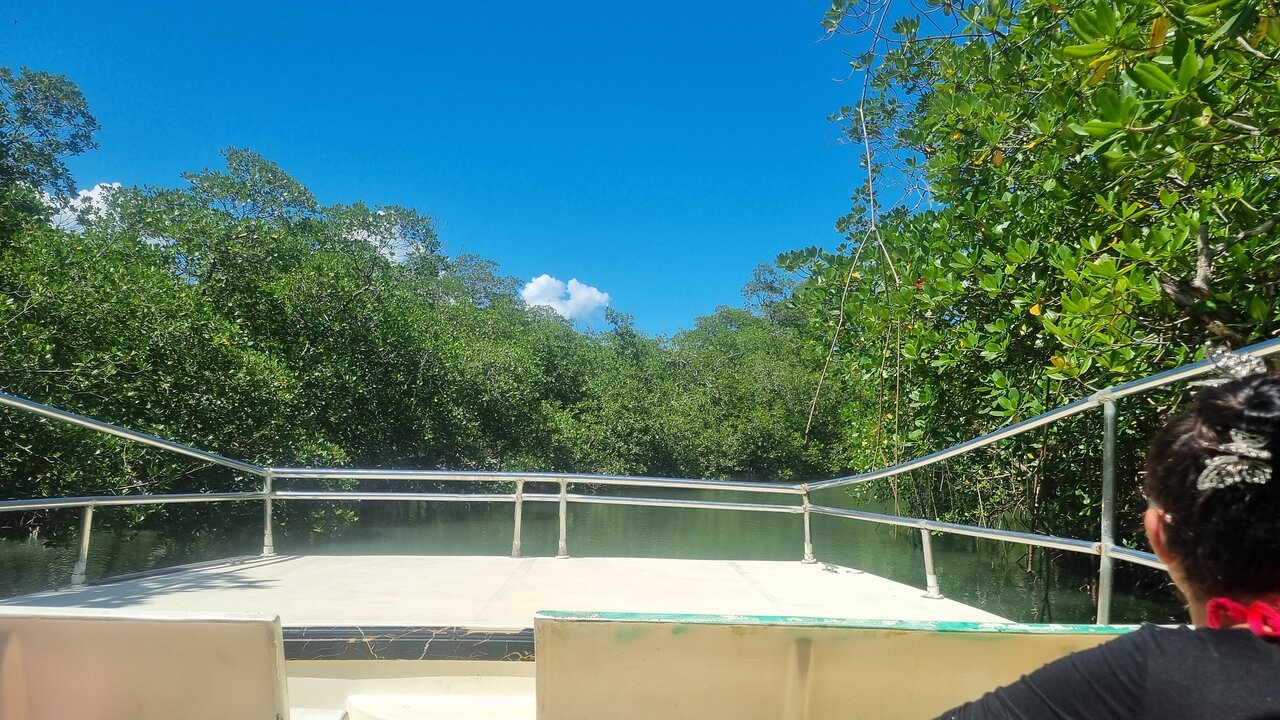
The Hato Mayor municipal tourism authority describes routes from Sabana de la Mar through mangroves and the Caño Hondo area, with views of San Lorenzo Bay and access to selected caves depending on the excursion.
What You May Experience
A guided excursion may include:
- Boat travel through coastal waterways.
- Mangrove forest observation.
- Limestone mogotes.
- Bird habitats.
- Selected caves where access is permitted.
- Scenic views around San Lorenzo Bay.
The waterfront can therefore become a natural starting point for a broader nature experience.
If you are planning a boat trip, confirm whether your tour departs directly from Sabana de la Mar and what attractions are included.
9. Visit Caño Hondo Near Sabana de la Mar
Caño Hondo is one of the best-known nature attractions associated with Sabana de la Mar.
It is recognized for its freshwater features, green surroundings, and connection with the Jivales River.
The area is particularly interesting for travelers who want to combine a coastal visit with a nature-focused experience.
What Makes Caño Hondo Interesting?
The natural environment provides a different atmosphere from the waterfront.
Visitors may discover:
- Natural freshwater pools.
- Vegetation and surrounding countryside.
- Outdoor recreation opportunities.
- Views of the surrounding natural landscape.
- Facilities associated with local ecotourism.
Some visitor experiences may include swimming or other activities, depending on the property and current arrangements.
Check access, facilities, and prices directly before visiting.
10. Discover the Local Culture of Sabana de la Mar
The waterfront is only one part of Sabana de la Mar's cultural identity.
The municipality has several cultural features that visitors can explore while spending time in the town.
Capilla-Museo Señorita Elupina Cordero
The Capilla-Museo Señorita Elupina Cordero is an important local cultural and religious site.
It is dedicated to Elupina Cordero, who was born in Sabana de la Mar in 1892 and remains an important figure in the community's history.
The chapel-museum preserves her memory and provides visitors with an opportunity to learn about a person whose life had a lasting influence on local religious and social traditions.
La Casona de Sabana de la Mar
La Casona is a historic wooden building recognized as part of the municipality's cultural heritage.
Its architecture reflects an older Caribbean building tradition.
The municipal cultural information identifies the building as a protected historical property and notes concerns about its condition.
Visitors interested in local architecture should check its current condition and access before making it a specific stop.
Club Novia de la Bahía
The Club Novia de la Bahía is a local cultural space associated with community activities.
It has been used for events such as artistic presentations, workshops, and conferences.
Check whether any public event is taking place during your visit.
11. What Is the Best Time to Visit the Waterfront?
Sabana de la Mar has a tropical climate, so visitors should prepare for warm temperatures and possible rainfall throughout the year.
There is no single perfect time for everyone. The best time depends on your interests and the activities you plan to enjoy.
For Coastal Photography
Choose a period when visibility and weather conditions are suitable.
The appearance of the bay changes with cloud cover, sunlight, and water conditions.
For Observing Local Activity
Daytime visits may provide opportunities to observe more of the town's daily routines.
However, fishing and maritime activity depend on individual schedules and weather.
For Combining the Waterfront with a Boat Tour
Plan your visit around the confirmed departure time of your Los Haitises excursion.
Do not assume that a boat will depart at a particular time without checking with the operator.
For a Relaxed Visit
Allow enough time to explore the surroundings without rushing.
A flexible schedule makes it easier to combine the waterfront with local food and nearby attractions.
12. How to Reach Sabana de la Mar Waterfront
The best route depends on your starting location.
Visitors can investigate road transportation, private transfers, or connections through nearby destinations.
From Santo Domingo
Travelers coming from Santo Domingo can arrange road transportation toward Hato Mayor and then continue to Sabana de la Mar.
Allow sufficient time for the journey, especially if you have a boat excursion scheduled.
From Punta Cana
Visitors staying in Punta Cana can investigate organized transfers or private road transportation.
The journey involves traveling across the eastern part of the Dominican Republic toward the southern side of Samaná Bay.
If you are booking a combined excursion, check whether transportation is included.
From Miches
Miches is another useful reference point for travelers exploring the eastern coast.
Visitors can investigate road transportation toward Sabana de la Mar and check local conditions before departing.
From Samaná
The ferry connection between Santa Bárbara de Samaná and Sabana de la Mar provides a water transportation option across the bay.
Check the latest operating schedule, fares, passenger conditions, and departure arrangements directly with the ferry operator.
Remember that the ferry is separate from any Los Haitises guided excursion unless a specific package states otherwise.
13. How Long Should You Spend at the Waterfront?
The amount of time you need depends on what you want to experience.
A Short Visit
If you are mainly interested in seeing the coastal setting and observing the town, a short visit may be enough.
You can include the waterfront as part of a larger itinerary.
A Half-Day Visit
A half-day schedule may allow you to explore the waterfront, discover some local surroundings, and enjoy a meal.
This is a practical option for visitors who have limited time.
A Full-Day Experience
Travelers who want to combine the waterfront with a Los Haitises excursion or nearby nature attraction should consider a fuller schedule.
The actual duration depends on the selected activities and transportation arrangements.
An Overnight Stay
Staying in the area may be useful for travelers who want to explore more than one attraction without rushing.
Check local accommodation options and services before planning an overnight visit.
14. Is the Waterfront Suitable for Families?
The waterfront can be an interesting place for families who want to experience a coastal town and learn about local life.
However, it is important to remember that parts of the waterfront may be used for working activities and transportation.
Families should:
- Keep children away from restricted working areas.
- Supervise children near the water.
- Follow local signs and instructions.
- Avoid climbing onto boats or equipment.
- Choose suitable public areas for viewing the bay.
- Confirm any excursion's age and safety requirements.
If you are combining the visit with a boat trip, check life-jacket availability and the operator's family policies.
15. Responsible Tourism at the Waterfront
Respectful behavior is important when visiting a working coastal community.
The waterfront is part of the everyday environment of local residents, not simply a tourist attraction.
Visitors can help support responsible tourism by following a few simple principles.
Respect Local Workers
Fishing boats and equipment are part of people's livelihoods.
Do not interfere with their work or enter restricted areas.
Avoid Littering
Carry your rubbish until you find an appropriate disposal point.
Avoid leaving plastic bottles, food packaging, or other waste near the water.
Respect Privacy
Ask permission before photographing people at close range.
Support Local Businesses
Where appropriate, consider eating at local restaurants or using legitimate local tourism services.
Protect the Coastal Environment
Avoid disturbing wildlife and do not throw waste into the bay.
Small actions can help preserve the area's natural beauty and support the community.
16. Common Mistakes Visitors Should Avoid
A little preparation can make your visit more comfortable.
Expecting a Large Tourist Promenade
Sabana de la Mar is a working coastal town. Do not assume that its waterfront has the same facilities or atmosphere as a major resort destination.
Confusing Sabana de la Mar with Santa Bárbara de Samaná
These are two different towns on opposite sides of Samaná Bay.
The well-known Malecón de Samaná is in Santa Bárbara de Samaná, not Sabana de la Mar.
Assuming the Ferry Is a Sightseeing Tour
The ferry is a transportation connection. A guided Los Haitises excursion must be arranged separately unless included in a package.
Arriving Without Confirming Transportation
Check your meeting point, departure time, and return arrangements before traveling.
Ignoring Local Activities
Remember that the waterfront is connected to fishing and everyday community life.
Be respectful of workers and local residents.
Planning Too Many Activities in One Day
If you are combining a waterfront visit with a boat tour and nearby attractions, allow enough time for each activity.
17. Suggested Half-Day Itinerary for Sabana de la Mar
Here is an example of how you might organize a relaxed visit.
This is a suggested travel plan, not an official tour schedule.
First Part: Explore the Waterfront
- Arrive in Sabana de la Mar.
- Explore suitable public areas near the coast.
- Observe the bay and local maritime activity.
- Take photographs respectfully.
- Learn about the town's connection with fishing.
Second Part: Discover Local Food and Culture
- Enjoy a meal at a local restaurant.
- Ask about traditional seafood dishes.
- Explore a cultural attraction if it is open to visitors.
- Learn about the town's local history.
Optional Extension: Nature Experience
If your schedule allows, arrange a separate excursion to Los Haitises or visit a nearby nature attraction such as Caño Hondo.
Confirm all transportation and access arrangements in advance.
18. Why Include Sabana de la Mar in Your Dominican Republic Itinerary?
Many travelers organize their Dominican Republic holidays around beaches, large resorts, and popular tourist towns.
Sabana de la Mar provides a different experience.
It introduces visitors to a coastal community where fishing, maritime transportation, local culture, and ecotourism are closely connected.
The waterfront can be a simple but worthwhile stop for travelers interested in understanding the region before exploring Los Haitises.
It is particularly suitable for:
- Nature-focused travelers.
- Visitors interested in local culture.
- Landscape photographers.
- Travelers exploring Samaná Bay.
- Visitors arranging Los Haitises excursions.
- People interested in traditional coastal communities.
The town may not offer the same commercial attractions as larger tourist destinations, but its local character is part of its appeal.
Frequently Asked Questions
1. Where is Sabana de la Mar waterfront located?
It is part of the coastal area of Sabana de la Mar, a municipality in Hato Mayor Province on the southern shore of Samaná Bay in the Dominican Republic.
2. What is Sabana de la Mar famous for?
Sabana de la Mar is known for its fishing activity, coastal location, connection with Los Haitises National Park, and nearby nature attractions.
3. Can visitors walk around the waterfront?
Visitors can explore suitable public areas around the town's coastal surroundings. However, access to specific working areas may be restricted.
4. Is there a Malecón in Sabana de la Mar?
The town has a waterfront area, but visitors should not confuse it with the officially described Malecón de Samaná, which is located in Santa Bárbara de Samaná.
5. Can I see fishing boats in Sabana de la Mar?
The town has an important fishing tradition, and boats are part of its maritime environment. The activity visible during your visit depends on local schedules and conditions.
6. What food should I try near the waterfront?
Visitors can look for fresh fish, seafood dishes, pescado con coco, and traditional Dominican foods at local restaurants.
7. Is Sabana de la Mar waterfront close to Los Haitises?
Sabana de la Mar is an important access point for excursions into Los Haitises National Park. The exact departure point for a tour should be confirmed with the operator.
8. Can I take a boat tour from Sabana de la Mar?
Yes. Visitors can investigate local boat excursions to Los Haitises. Routes and included attractions vary.
9. Is there a ferry from Sabana de la Mar to Samaná?
Yes. A ferry connection operates across Samaná Bay between Sabana de la Mar and Santa Bárbara de Samaná. Confirm the current schedule before traveling.
10. Is the waterfront suitable for photography?
Yes. The bay, boats, coastal scenery, and local maritime atmosphere can provide interesting photography opportunities.
11. What other attractions can I visit near Sabana de la Mar?
Visitors can investigate Caño Hondo, Los Haitises National Park, and cultural attractions such as the Capilla-Museo Señorita Elupina Cordero.
12. Is Sabana de la Mar worth visiting?
Yes, especially for travelers interested in local coastal life, fishing culture, nature tourism, and access to Los Haitises.
13. How long should I spend in Sabana de la Mar?
A short visit may be enough to see the waterfront. A half-day or full-day schedule allows more time for local food, cultural attractions, and nearby nature experiences.
14. Is Sabana de la Mar a resort destination?
It is better understood as a coastal community and gateway to nearby natural attractions rather than a major beach-resort destination.
15. Can I combine a waterfront visit with Los Haitises?
Yes. Visitors can plan a waterfront visit around a separate guided boat excursion, provided they confirm the meeting point, schedule, and transportation arrangements.
Plan Your Visit to the Waterfront of Sabana de la Mar
The waterfront of Sabana de la Mar offers a simple but meaningful way to experience the coastal character of the Dominican Republic.
Its connection with Samaná Bay, fishing traditions, local food, and maritime transportation makes it an interesting stop for travelers exploring the northeastern region.
For visitors planning to discover Los Haitises National Park, the town also provides an important connection to boat excursions and nearby nature attractions.
Take time to observe the local surroundings, enjoy regional food, respect the community, and learn about the relationship between the town and its coastal environment.
Ready to explore the area?
Browse the Los Haitises boat ride category, discover available tours and excursions, or explore the Los Haitises boat tour from Sabana de la Mar.
Discover the waterfront, experience local coastal life, and make Sabana de la Mar part of your Los Haitises adventure.
Local explorer & expert guide in Birdwatching Guide.