What to Expect During Your First Los Haitises Excursion (2027)
Planning your first visit to Los Haitises National Park Get ready for a different kind of Dominican Republic adventure. Instead of spending the day on a crowded beach or walking through a busy resort area, you will discover a protected natural landscape filled with limestone islands, winding mangrove channels, tropical forests, coastal scenery, caves, and wildlife.
Located in the northeastern Dominican Republic, near Sabana de la Mar and the Samaná region, Los Haitises is one of the country's most remarkable natural destinations. The park is particularly known for its dramatic karst formations, extensive mangrove ecosystems, birdlife, and caves containing Indigenous Taíno rock art.
For first-time visitors, a guided boat excursion is one of the most memorable ways to experience this landscape. However, knowing what to expect before departure can make your trip more comfortable and enjoyable.
This guide explains what your first Los Haitises excursion may look like, what you can see along the way, how cave visits work, what to bring, and how to prepare for a responsible visit.
1. Your Adventure Usually Begins Near the Water
Most visitors explore the coastal and mangrove areas of Los Haitises by boat. Depending on the excursion you choose, your meeting point may be in Sabana de la Mar, near Caño Hondo, or at another designated departure location.
Before boarding, your guide or tour operator should explain the meeting arrangements and basic safety instructions. You may receive information about the route, expected duration, weather conditions, and the places included in your excursion.
If your tour includes a boat journey, you can generally expect to travel through sheltered coastal waters and channels before reaching some of the park's most recognizable landscapes.
The exact experience depends on the departure point and selected route. Not every excursion visits the same caves, islands, or waterways, so check the itinerary before booking.
2. The Boat Ride: A First Look at Los Haitises
For many first-time visitors, the boat journey is the highlight of the excursion.
As the boat moves away from the departure area, the scenery gradually changes. Coastal vegetation, open water, mangrove-lined channels, and limestone formations create a landscape that feels very different from the Dominican Republic's familiar beach destinations.
One of the most distinctive features of Los Haitises is its limestone mogotes. These rounded, steep-sided hills rise from the surrounding water and vegetation, creating the appearance of small green islands.
You may also pass through sections of San Lorenzo Bay, depending on your route. The bay and its surrounding waterways provide beautiful views of the park's coastal environment.
Bring a camera or smartphone if you enjoy landscape photography. The contrast between green vegetation, blue-green water, and limestone formations creates plenty of opportunities for memorable photographs.
Remember that water conditions can change. Follow the boat operator's instructions, remain seated when required, and wear the life jacket provided.
3. Exploring the Mangrove Channels
Mangroves are among the most important natural features of Los Haitises. These coastal forests grow in areas influenced by seawater and tides, creating a special habitat for many forms of wildlife.
During your excursion, the boat may travel alongside or through narrow mangrove channels. In some places, branches extend over the water and create shaded passages.
You may encounter different mangrove species, including red mangroves. Their complex root systems provide shelter and nursery habitat for fish and other aquatic organisms.
For visitors, the experience is not only about seeing beautiful trees. It is also an opportunity to understand how coastal ecosystems work.
Mangroves help stabilize shorelines, support biodiversity, and provide important habitat for wildlife. They are an essential part of the natural environment protected within Los Haitises.
If your route includes a quiet mangrove passage, take a moment to observe the details. Look at the roots, leaves, water, and bird activity rather than focusing only on taking photographs.
4. Discovering the Limestone Islands and Mogotes
One of the first things you may notice in Los Haitises is the unusual shape of its landscape.
The park is famous for its karst terrain, formed through the long-term development and erosion of limestone. Over time, water has helped shape caves, uneven rock surfaces, and steep limestone hills known as mogotes.
From the boat, these formations appear as green-covered hills rising dramatically above the water.
Some formations are surrounded by mangroves, while others appear as small rocky islands. Their shapes and vegetation make the scenery especially interesting for nature lovers and photographers.
Your guide may explain how the limestone landscape developed and why it is important to the park's ecological character.
Because these formations are part of a protected natural area, visitors should avoid climbing or touching fragile surfaces unless the route specifically allows access under park rules.
5. Birdwatching and Wildlife Observation
Los Haitises is an excellent destination for people interested in birds and natural habitats.
The park supports a variety of bird species, including pelicans, herons, egrets, and other coastal and forest birds. The official Dominican Republic tourism information also highlights species such as the Ridgway's hawk and Hispaniolan woodpeckers.
During a boat excursion, you may see birds flying above the water, resting on branches, or gathering around small islands.
One well-known area is Cayo de los Pájaros, commonly associated with bird activity. The precise wildlife you encounter will depend on the route, season, weather, and natural conditions.
It is important to remember that wildlife sightings are never guaranteed. Animals live freely in the park, and a responsible excursion observes them without disturbing their natural behavior.
For a better wildlife experience:
- Keep your voice low when approaching bird habitats.
- Avoid feeding or chasing animals.
- Do not throw food or rubbish into the water.
- Use a camera zoom instead of approaching wildlife.
- Follow your guide's instructions around nesting areas.
Even if you do not see every species you hoped to find, observing the park's natural environment is part of the experience.
6. Visiting the Caves and Learning About Taíno Heritage
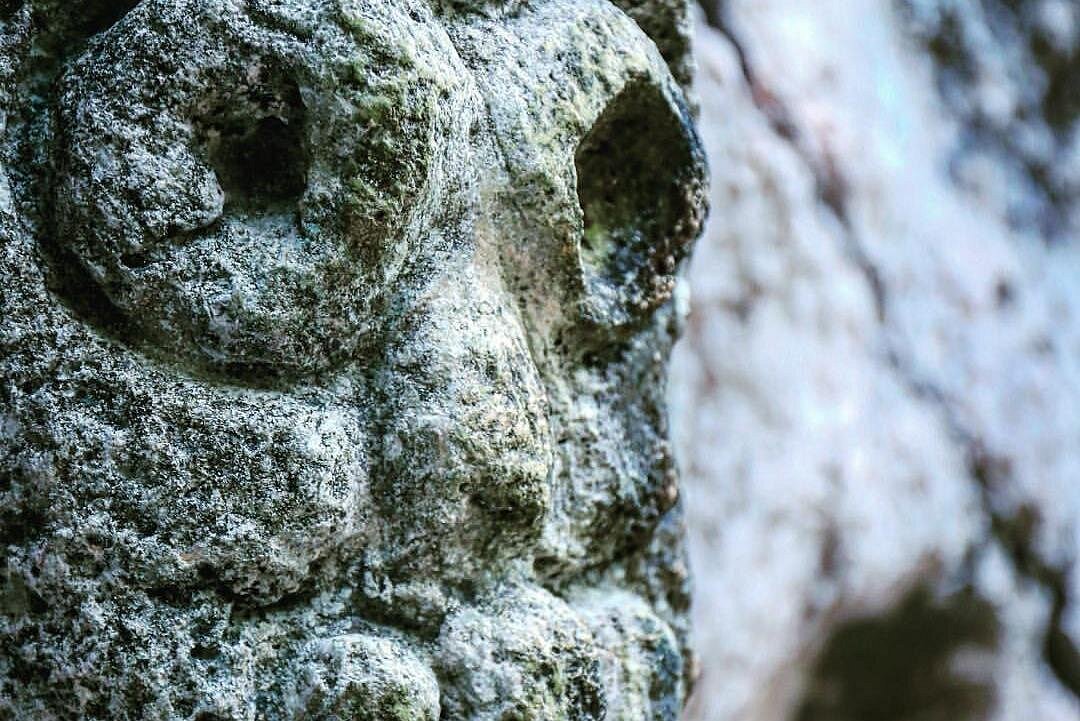
Caves are another major attraction in Los Haitises. Some contain pictographs and petroglyphs associated with the Indigenous Taíno people.
These cultural features make a cave visit more than a geological experience. They offer a connection to the people who lived in the Caribbean long before modern tourism developed.
Depending on the excursion and the areas officially open to visitors, your route may include a cave such as Cueva de la Arena or another approved site.
Inside a cave, you may notice limestone formations, shaded chambers, rock surfaces, and examples of historic Indigenous art. Your guide can help explain the cultural and historical significance of the site.
Visitors should follow a few important rules:
- Stay with the guide.
- Do not touch, scratch, or mark cave walls.
- Avoid using flash photography where it is prohibited.
- Do not remove stones, archaeological objects, or natural materials.
- Follow all signs and access restrictions.
Important access note: The Dominican Ministry of Environment announced the temporary closure of Cueva de la Línea in June 2026 because its access pier required safety-related intervention. Check the latest official park information before your trip, and do not assume that this cave is open. Other visitor areas may continue operating according to park rules.
A good tour operator should explain which caves are included in the planned route and whether access is permitted on your visit date.
7. What a Guided Excursion Adds to Your Experience
Exploring a protected natural area with a knowledgeable local guide can help you understand much more than the scenery.
A guide may explain the park's geography, mangrove ecosystems, wildlife, limestone formations, and cultural heritage. They can also help identify birds and explain why certain areas are protected.
Without interpretation, you might see a mangrove forest or a limestone hill and simply admire its appearance. With a guide, you can learn how these features developed and why they matter.
A guided excursion can also make route planning easier, especially for visitors who are unfamiliar with the local waterways.
Before booking, check whether the tour includes:
- A local guide.
- Boat transportation.
- Required park entrance arrangements.
- Life jackets.
- Cave visits, if available.
- The languages spoken by the guide.
- Transportation to and from the departure point.
- Meals or refreshments, if advertised.
Inclusions vary between operators. Read the tour description carefully rather than assuming every excursion provides the same services.
8. How Physically Demanding Is the Excursion?
A standard boat-focused excursion is generally suitable for visitors who prefer sightseeing over strenuous outdoor activities.
Much of the experience takes place while traveling by boat and observing the scenery. However, some itineraries may include walking, boarding and leaving boats, uneven surfaces, or entering caves.
Other tours combine boat travel with kayaking, cycling, hiking, or additional outdoor activities. These experiences can require more physical effort than a simple boat trip.
If you have mobility concerns or are traveling with children or older family members, ask the operator about:
- Boarding arrangements.
- Walking distances.
- Steps or uneven surfaces.
- Cave access conditions.
- Seating and rest opportunities.
- The physical difficulty of the complete itinerary.
Choosing an excursion that matches your comfort level will help you enjoy the visit without unnecessary stress.
9. What Should You Bring on Your First Visit?
Packing a few practical items can make your day more comfortable.
Essential items
Lightweight clothing: Choose comfortable clothes suitable for a warm, humid environment.
Comfortable footwear: Wear shoes or sandals appropriate for wet conditions and any walking included in your itinerary.
Sun protection: Bring a hat, sunglasses, and suitable sunscreen.
Drinking water: Carry enough water for your planned excursion, following the operator's guidance.
Insect repellent: This can be useful in areas with vegetation and mangroves.
Waterproof phone pouch: A waterproof pouch can help protect your phone from splashes.
Camera: A camera or smartphone is useful for photographing the landscapes and wildlife.
Small personal bag: Keep your belongings organized and avoid bringing unnecessary valuables.
If your excursion includes swimming at an additional location, bring swimwear and a towel. Do not assume swimming is part of every Los Haitises boat tour.
10. What Is the Weather Like?
Los Haitises has a tropical environment, so visitors should be prepared for warm temperatures, humidity, and the possibility of rain.
Weather can influence the comfort of your boat journey and the conditions along the route. Rain showers may occur even when the day begins with sunshine.
A lightweight rain jacket or compact rain cover can be useful. Keep electronic devices protected and follow the operator's advice if weather conditions change.
Rather than expecting perfect weather throughout the day, prepare for a tropical outdoor experience.
11. Is Los Haitises Suitable for Families and First-Time Eco-Tourists?
Los Haitises can be a rewarding destination for families and travelers who enjoy nature.
Children may find the boat ride, unusual limestone formations, mangrove forests, and birdlife especially interesting. Adults can appreciate the combination of scenery, geology, ecology, and Indigenous history.
However, suitability depends on the specific excursion. Some tours involve longer boat journeys, cave access, or additional outdoor activities.
Families should check age requirements, life-jacket availability, boarding arrangements, and the expected duration before booking.
For first-time eco-tourists, a straightforward guided boat excursion can be a good introduction to the park. It allows visitors to experience several natural features without committing to a demanding hiking itinerary.
12. How Long Should You Plan for Your Excursion?
There is no single duration for every Los Haitises excursion.
Some experiences focus mainly on a boat journey and selected visitor sites. Others combine the national park with additional activities or destinations, making the day longer.
When comparing tours, check the complete schedule rather than relying only on the advertised title.
Pay attention to:
- Meeting and departure time.
- Time spent traveling by boat.
- Number of planned stops.
- Whether cave visits are included.
- Time allocated for walking or other activities.
- Return arrangements.
If you are staying in another town, remember to include the road journey to the departure point when planning your day.
13. How to Make Your First Los Haitises Excursion More Enjoyable
A little preparation can make a noticeable difference.
Choose the right route. Decide whether you are mainly interested in mangroves, caves, birdwatching, photography, or a combination of activities.
Read the itinerary. Check the departure location, duration, inclusions, and current access conditions.
Listen to your guide. Local explanations can make the landscape and cultural sites much more meaningful.
Keep your expectations realistic. Wildlife sightings and weather conditions cannot be guaranteed.
Respect the protected environment. Avoid littering, disturbing wildlife, or touching archaeological features.
Leave some time to enjoy the scenery. You do not need to photograph every moment. Sometimes the best part of the excursion is simply watching the landscape pass by.
14. Why Your First Visit May Become a Memorable Dominican Republic Experience
Los Haitises offers a different perspective on the Dominican Republic.
Many visitors first think of the country through its beaches, resorts, and coastal towns. Los Haitises introduces another side: a landscape shaped by limestone, water, forests, and mangroves, with important habitats and cultural history.
The experience brings together several attractions in one natural setting:
- Dramatic limestone mogotes.
- Mangrove channels and coastal waterways.
- Bird habitats and wildlife observation.
- Caves with Indigenous Taíno heritage.
- Scenic views around San Lorenzo Bay.
- Opportunities to learn about tropical ecosystems.
Whether you are interested in nature photography, birdwatching, geology, history, or simply exploring somewhere different, a guided excursion can help you appreciate the park's diversity.
Your first visit does not need to include every attraction. Choosing a suitable route and enjoying the places you can access responsibly is a good way to begin.
Frequently Asked Questions
1. What should I expect during my first Los Haitises excursion?
Expect a nature-focused experience that may include a boat ride, mangrove channels, limestone formations, birdwatching, and visits to selected caves or visitor sites. The exact itinerary depends on your tour.
2. Is a boat tour the best way to explore Los Haitises?
A boat tour is one of the most popular ways to experience the park's coastal scenery, mangroves, islands, and waterways. Other activities, such as kayaking and hiking, may be available through specific excursions.
3. Where do Los Haitises excursions depart from?
Departure points vary by operator and itinerary. Sabana de la Mar and the Caño Hondo area are among the locations used for excursions. Always confirm the exact meeting point before traveling.
4. Can I see wildlife during the excursion?
You may see pelicans, herons, egrets, and other birds. Wildlife sightings depend on natural conditions and cannot be guaranteed.
5. Will I visit a cave during my first tour?
Some excursions include cave visits, while others focus mainly on boat sightseeing or mangrove exploration. Check the itinerary to confirm which caves are included and whether they are open to visitors.
6. Is Cueva de la Línea open to visitors?
The Dominican Ministry of Environment announced a temporary closure in June 2026 because of deterioration of its access pier. Check the latest official announcement before planning a visit.
7. What should I wear for a Los Haitises boat tour?
Wear lightweight, comfortable clothing and suitable footwear. Bring sun protection and consider a light rain layer because tropical weather can change.
8. Is the excursion suitable for children?
Many boat-focused excursions may be suitable for families, but age requirements and physical demands vary. Confirm the operator's safety arrangements and itinerary before booking.
9. Do I need a professional guide?
A knowledgeable local guide can help explain the park's natural features, wildlife, and cultural heritage. Guided interpretation is especially useful for first-time visitors.
10. Can I visit Los Haitises without joining a tour?
Access arrangements depend on park regulations and the activity you plan to undertake. Visitors should confirm current entry requirements and use authorized routes and services.
11. Is Los Haitises worth visiting if I have already visited Dominican beaches?
Yes. Los Haitises offers a very different experience, with mangrove forests, limestone formations, caves, and wildlife rather than a traditional beach-focused day.
12. What is the most important thing to remember before visiting?
Confirm your departure point, itinerary, included services, and the current status of the visitor sites you want to see. Also, respect park rules and follow your guide's instructions.
Plan Your First Los Haitises Adventure
Your first Los Haitises excursion is an opportunity to discover one of the Dominican Republic's most distinctive natural environments. From the quiet mangrove channels to the limestone islands and caves, every part of the journey offers something different to observe and learn.
If you are planning a visit from Sabana de la Mar, explore the available options and choose an itinerary that matches your interests and schedule.
Start planning with Los Haitises boat tour options, browse available excursions, or learn more about the Los Haitises boat tour from Sabana de la Mar.
Discover the mangroves, admire the limestone landscape, learn about Taíno heritage, and experience the natural beauty of Los Haitises responsibly.
Local explorer & expert guide in Birdwatching Guide.


