White Ibis and Roseate Spoonbill in Los Haitises: Wading Birds of the Coastal Wetlands
Los Haitises National Park is known for its mangrove forests, limestone islands, coastal scenery and remarkable birdlife. Among the birds associated with its wetlands are members of the ibis and spoonbill family. Two especially interesting species are the White Ibis (Eudocimus albus) and the Roseate Spoonbill (Platalea ajaja).
These birds have different appearances, but both are adapted to finding food in shallow water and soft wetland environments. The White Ibis uses its long, curved bill to probe muddy surfaces, while the Roseate Spoonbill sweeps its unusual spoon-shaped bill through shallow water to locate prey.
A third species, the Glossy Ibis (Plegadis falcinellus), adds another identification challenge because its dark-looking plumage can appear almost black from a distance.
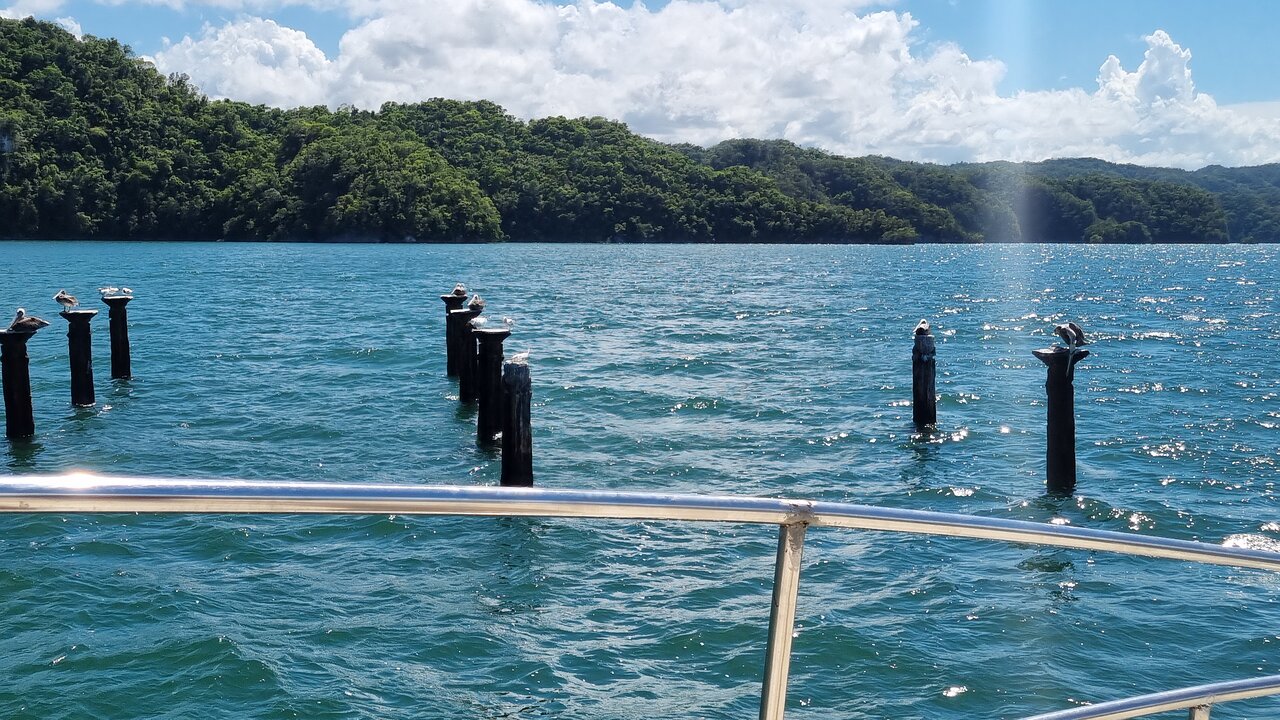
For visitors interested in nature, these birds offer a useful way to understand how wildlife depends on the coastal wetlands around Los Haitises. They also demonstrate why a boat journey through the park can be about much more than scenery: the mangroves, sheltered waterways and surrounding coastal habitats form part of a larger ecosystem used by many kinds of birds.
1. Which ibis and spoonbill species are recorded in Los Haitises?
The Los Haitises National Park bird checklist maintained by Avibase includes three members of the family Threskiornithidae:
- White Ibis (Eudocimus albus)
- Glossy Ibis (Plegadis falcinellus)
- Roseate Spoonbill (Platalea ajaja)
This checklist is a useful reference for understanding the park's recorded bird diversity. However, a species appearing on a checklist does not mean it is present at every location, easy to observe, or guaranteed to appear during a particular excursion.
The best approach is to treat these birds as possible wildlife observations rather than promised sightings. Their visibility can depend on habitat conditions, water levels, season, feeding activity and the route taken through the wetlands.
2. White Ibis: the elegant white wader
The White Ibis is a long-legged wading bird with a distinctive curved bill. An adult is mostly white, with black tips on its wings and bright reddish-pink legs and bill. The bare skin around its eyes is also reddish.
Its appearance makes an adult relatively easy to recognize when it is standing in open shallow water or flying above a wetland.
How to identify a White Ibis
Look for these features:
- Mostly white body feathers
- Long, reddish-pink legs
- Long bill curved downward
- Dark tips on the wings, especially noticeable in flight
- Long neck, usually extended while flying
Young White Ibises look different from adults. Juveniles have brown feathers on the upper body and a pale underside, often with a streaked brown neck. Their bills and legs can be more orange-pink than the stronger red coloration of adults.
This difference is important for birdwatchers. A brown-and-white bird should not automatically be identified as a different species simply because it lacks the clean white appearance of an adult.
Where does the White Ibis feed?
White Ibises use a range of wetland habitats, including shallow marshes, coastal estuaries, mudflats, swamps and mangrove environments.
They often feed in relatively shallow water. As they walk slowly, they lower their heads and insert their curved bills into soft mud or beneath the water's surface.
Their diet includes aquatic invertebrates and other small prey, such as insects, crustaceans and worms. The bird can locate food by touch as it probes the muddy bottom.
For visitors, watching an ibis feed can be more interesting than simply seeing it standing still. Its repeated probing movements reveal how the bird searches for hidden food in a habitat that may look empty at first glance.
3. Roseate Spoonbill: a pink bird with a remarkable bill
The Roseate Spoonbill is one of the most distinctive wading birds in the Americas. Its pink plumage and unusually shaped bill make it different from most other birds found along coastal wetlands.
An adult has a pale pink body, brighter pink areas on the wings and a long bill that becomes wider and flatter at the tip. This spoon-shaped end gives the species its common name.
The head is partly bare in adults, with yellowish-green skin and reddish eyes. Young birds are generally paler and have more feathering on the head.
How to recognize a Roseate Spoonbill
Look for the following characteristics:
- Pink body feathers
- Brighter pink on the shoulders and parts of the wings
- Long legs suited to wading
- Long neck
- Broad, flattened bill shaped like a spoon
- A partly bare head in adults
The bill is the most useful identification feature. Even when the bird's color is difficult to judge because of distance or lighting, its distinctive shape can help separate it from ibises, herons and egrets.
Why is its bill shaped like a spoon?
The Roseate Spoonbill uses its bill in a specialized feeding technique.
It moves slowly through shallow water with its bill partly submerged and swings its head from side to side. The open bill helps it detect small aquatic animals through touch and movement. When suitable prey contacts the bill, the bird closes it to capture the food.
Its diet can include small crustaceans, aquatic insects and fish.
This feeding method is different from the White Ibis's more direct probing action. The two birds occupy similar broad wetland environments, but their bill shapes and feeding movements allow them to search for food in different ways.
Why is the Roseate Spoonbill pink?
The pink coloration of the Roseate Spoonbill is associated with pigments called carotenoids that it obtains through its food. Crustaceans and other aquatic organisms can contain these pigments.
The bird's color is therefore connected to the food available in its environment. This is one reason wetland food webs are important: the condition of the habitat influences the small organisms that support larger wildlife.
4. Glossy Ibis: the dark-looking relative
The Glossy Ibis is another species recorded in the Los Haitises National Park checklist. It is worth including in a birdwatching guide because it can be confused with other dark wading birds.
At a distance, a Glossy Ibis may look almost black. In good light, however, its plumage can show deep maroon, bronze, green and violet tones.
It has a long, downward-curving bill, a long neck and long legs. Like the White Ibis, it searches for prey by probing wet soil, mud and shallow water.
How to distinguish the three species
FeatureWhite IbisRoseate SpoonbillGlossy IbisMain adult colorMostly whitePinkDark maroon with iridescent tonesBill shapeLong and curvedBroad, spoon-shaped tipLong and curvedLegsReddish-pinkLong, generally darker-lookingLongMost useful clueWhite body and red billPink color and spoon-shaped billDark glossy plumage
The bill is often the quickest way to separate them. A curved, narrow bill suggests an ibis, while the wide, flattened tip of a Roseate Spoonbill is unmistakable when seen clearly.
5. How these birds use mangroves and coastal wetlands
Los Haitises is an extensive protected landscape containing mangroves, coastal waters, limestone formations, forest and numerous small islands. The Dominican Republic's official tourism information highlights the park's mangrove-lined bay, cays and bird colonies.
These connected habitats matter because wading birds do not depend on one type of environment alone.
Muddy edges and shallow water
Shallow water and exposed muddy areas can provide feeding opportunities for birds that search for small aquatic animals. White Ibises and Glossy Ibises probe these surfaces, while Roseate Spoonbills sweep their bills through shallow water.
The availability of feeding areas changes with water depth and local conditions. A wetland that provides suitable feeding habitat at one time may look different when the water level changes.
Mangrove edges
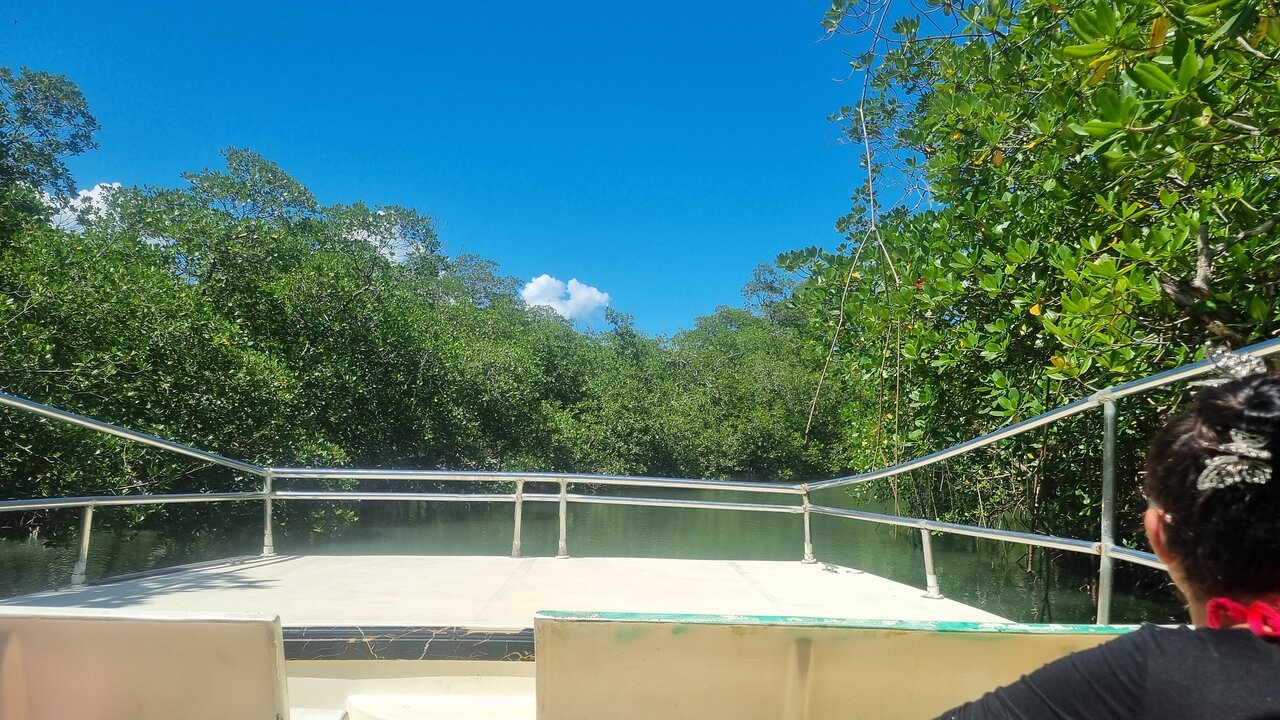
Mangroves are important coastal habitats. Their roots and sheltered waterways form complex environments used by fish, crustaceans and other organisms.
These habitats are part of the wider ecological setting in which coastal birds live and feed. However, it is important not to assume that every bird on the park checklist uses every mangrove channel equally.
Estuaries and coastal waters
The wider coastal environment around Samaná Bay includes areas where freshwater and seawater influence one another. Such environments can support a range of aquatic organisms and create different feeding opportunities for wildlife.
For visitors, this means that the landscape around Los Haitises should be understood as a connected system rather than a collection of separate sightseeing stops.
6. What can birdwatchers observe during a Los Haitises visit?
A visit to Los Haitises commonly involves exploring the park by boat, although the exact route and activities depend on the operator, access arrangements and current park conditions.
The Dominican Republic's official tourism website describes boat exploration, mangrove routes and the park's birdlife as part of the visitor experience.
If birdwatching is one of your priorities, consider these observation opportunities:
Watch open water and wetland margins
Look carefully at exposed shorelines, shallow water and areas where birds can stand or feed. Wading birds may be easier to notice when they are moving slowly through open habitat.
Observe birds in flight
White Ibises and Roseate Spoonbills both fly with their necks extended. Their silhouettes, body colors and wing patterns can help with identification.
A bird that looks like a small white shape while standing may become easier to identify once it takes flight.
Look beyond the most obvious bird
Visitors often focus on large, colorful or familiar species. It is worth scanning the surrounding habitat for smaller or less conspicuous birds as well.
A group of waders may contain several species, each feeding in a slightly different way.
Bring binoculars
Binoculars help visitors observe birds without approaching them too closely. They are especially useful when birds are resting on distant shorelines or feeding along the edges of channels.
A camera with a suitable zoom lens can also help, but photography should never take priority over wildlife safety.
7. Best birdwatching practices in Los Haitises
Wildlife observation should be respectful and low-impact. Birds may be feeding, resting or caring for young, so visitors should avoid actions that interrupt their normal behavior.
Follow these principles:
Keep a respectful distance. Do not approach birds to force a closer photograph.
Avoid loud noises. Sudden shouting, music or unnecessary engine noise can disturb wildlife.
Never feed wild birds. Human food is not a substitute for their natural diet and can change animal behavior.
Do not enter sensitive vegetation. Mangrove roots and wetland edges are important parts of the ecosystem. Avoid stepping on or damaging them.
Follow your guide's instructions. Stay within permitted visitor areas and follow current park rules.
Take photographs without disturbing wildlife. Use binoculars or zoom rather than moving closer to a resting or feeding bird.
Responsible birdwatching allows visitors to enjoy the park while reducing pressure on the habitats that support its wildlife.
8. Why ibis and spoonbill conservation matters
The White Ibis, Glossy Ibis and Roseate Spoonbill are interesting not only because of their appearance but also because of their relationship with wetlands.
These birds depend on suitable feeding areas and access to natural food sources. Wetland degradation, pollution, disturbance and changes in water conditions can affect the quality of habitat available to wildlife.
Mangrove conservation is especially important in coastal landscapes. Healthy mangrove systems provide shelter and feeding environments for many organisms, while also contributing to shoreline stability and broader ecosystem functions.
Protecting Los Haitises means protecting the connected habitats that make its wildlife possible. Visitors can contribute by choosing responsible activities, following park guidance and avoiding operators or practices that disturb wildlife or damage vegetation.
9. Can you see White Ibises and Roseate Spoonbills on every Los Haitises tour?
No. A bird species being recorded in Los Haitises does not guarantee that visitors will see it during a particular tour.
Bird sightings depend on several factors:
- The route taken through the park
- Water levels and feeding conditions
- Weather and visibility
- The time spent observing suitable habitats
- The birds' natural movements and activity
If seeing these species is especially important to you, ask your tour provider whether the excursion can accommodate a slower, nature-focused pace. A guide familiar with local birdlife may help identify species when they are present, but no responsible operator should promise a guaranteed sighting of a wild bird.
10. Planning a nature-focused visit from Sabana de la Mar
Sabana de la Mar is one of the communities associated with access to the eastern side of Los Haitises. Visitors planning a trip from this area should confirm their departure point, transport arrangements, tour duration and included activities before booking.
If your main interest is birdwatching, explain that before the excursion. A standard sightseeing trip and a dedicated birdwatching outing may have different priorities.
Ask practical questions such as:
- Does the route include time to observe birds?
- Is a guide available who can help identify local species?
- Will there be opportunities to pause and observe wildlife from a suitable distance?
- What should visitors bring for birdwatching?
- Are there any current restrictions affecting the route?
These questions help set realistic expectations and make it easier to choose an excursion that matches your interests.
Frequently Asked Questions
1. Are White Ibises recorded in Los Haitises National Park?
Yes. The Avibase Los Haitises bird checklist includes the White Ibis (Eudocimus albus). This confirms it as a recorded species, but does not guarantee a sighting on every visit.
2. Is the Roseate Spoonbill found in Los Haitises?
The Roseate Spoonbill (Platalea ajaja) is included in the park's bird checklist. Its distinctive pink plumage and spoon-shaped bill make it one of the most recognizable wading birds in the region.
3. How can I tell a White Ibis from a Roseate Spoonbill?
An adult White Ibis is mostly white with a long, curved reddish bill. A Roseate Spoonbill is pink and has a broad, flattened bill shaped like a spoon.
4. Is the Glossy Ibis also recorded in Los Haitises?
Yes. The Glossy Ibis (Plegadis falcinellus) is also listed. It usually appears dark from a distance, while closer views in good light may reveal maroon and iridescent green or bronze tones.
5. What do White Ibises eat?
White Ibises feed on small animals found in wetland environments, including insects, crustaceans and worms. They use their curved bills to probe soft mud and locate prey.
6. What does a Roseate Spoonbill eat?
Roseate Spoonbills feed on aquatic animals such as crustaceans, aquatic insects and small fish. They sweep their partly open spoon-shaped bills through shallow water to locate prey.
7. Do these birds live in mangroves?
These species use a variety of wetland habitats. Mangroves are among the habitats used by White Ibises and Roseate Spoonbills, but their presence in a particular mangrove channel should not be assumed.
8. What equipment should I bring for birdwatching?
Binoculars, a camera with a zoom lens, a hat, sun protection and drinking water are useful items. Follow your tour provider's advice about appropriate clothing and equipment.
9. Can children enjoy birdwatching in Los Haitises?
Yes. Birdwatching can be an engaging activity for families, especially when children learn to recognize different bill shapes, colors and feeding behaviors. Keep the experience relaxed and avoid disturbing wildlife.
10. Is a bird sighting guaranteed during a Los Haitises excursion?
No. These are wild birds, and their movements cannot be controlled. A knowledgeable guide may help visitors identify birds that are present, but sightings are never guaranteed.
Discover the Wetland Wildlife of Los Haitises
The White Ibis, Roseate Spoonbill and Glossy Ibis show how different birds have adapted to life in shallow water and coastal wetlands. Their contrasting colors and feeding techniques make them fascinating subjects for nature lovers and birdwatchers.
A visit to Los Haitises offers an opportunity to appreciate the wider environment behind these sightings: mangrove-lined waterways, sheltered coastal habitats, limestone islands and the wildlife that depends on them.
If you are planning a trip from Sabana de la Mar, consider choosing an excursion that gives you time to appreciate the natural environment rather than rushing from one attraction to another. Ask about the route, guide experience and opportunities for responsible wildlife observation before confirming your plans.
Local explorer & expert guide in Birdwatching Guide.